

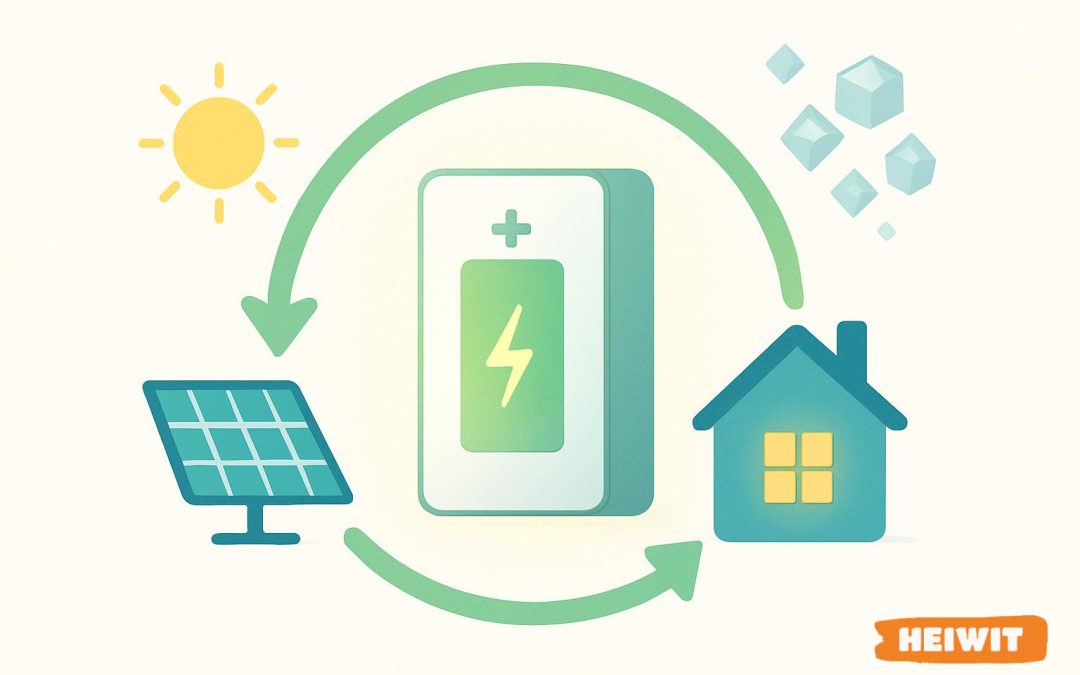
Sodium-ion batteries: 20,000 cycles reached by Heiwit battery park
When we talk about energy storage batteries, one of the most frequent questions among installers and professionals is always the same: how long does it really last? The answer is measured in cycles. And it is precisely on the front of sodium-ion cycles that the park...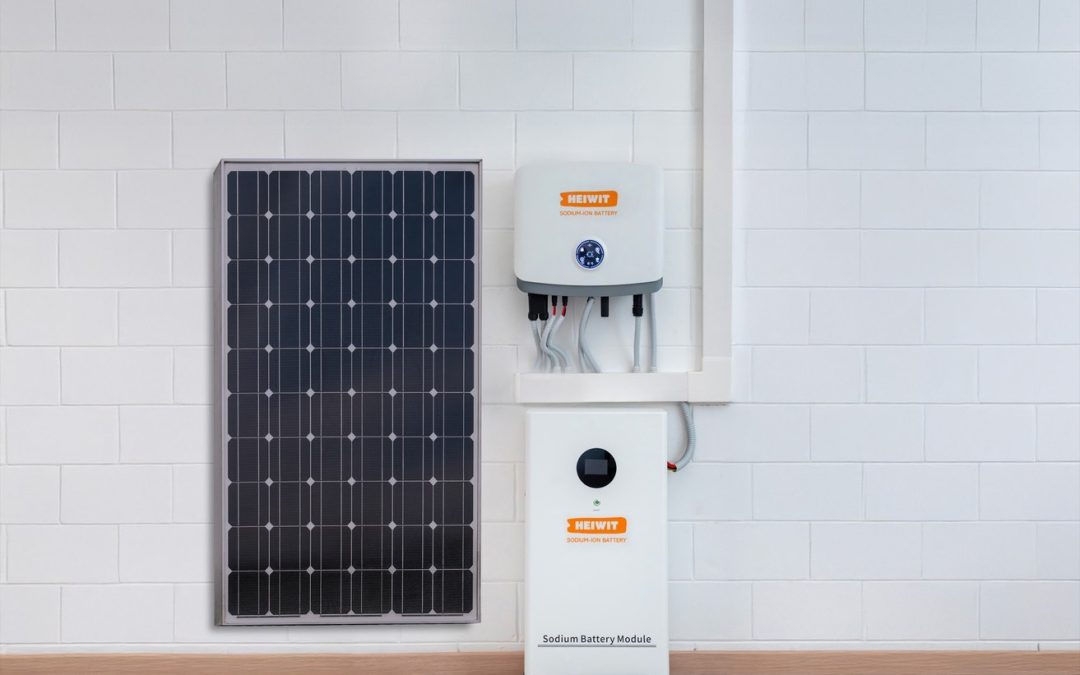
BESS distributed HEIWIT: sunlight from the day can become useful energy in the evening
BESS deployed: daytime sun can become useful energy in the evening For years, we have imagined photovoltaics simply: the sun shines, the panels produce energy, the home or business uses it and any surplus is fed into the grid. It has been a...
Heiwit in Brussels, at the table on the future of the European battery
Heiwit in Brussels, at the table on the future of the European battery On 11 June 2026, Heiwit took part in the debate of the European Economic and Social Committee dedicated to the future of the European battery industry. A day during which discussion focused on...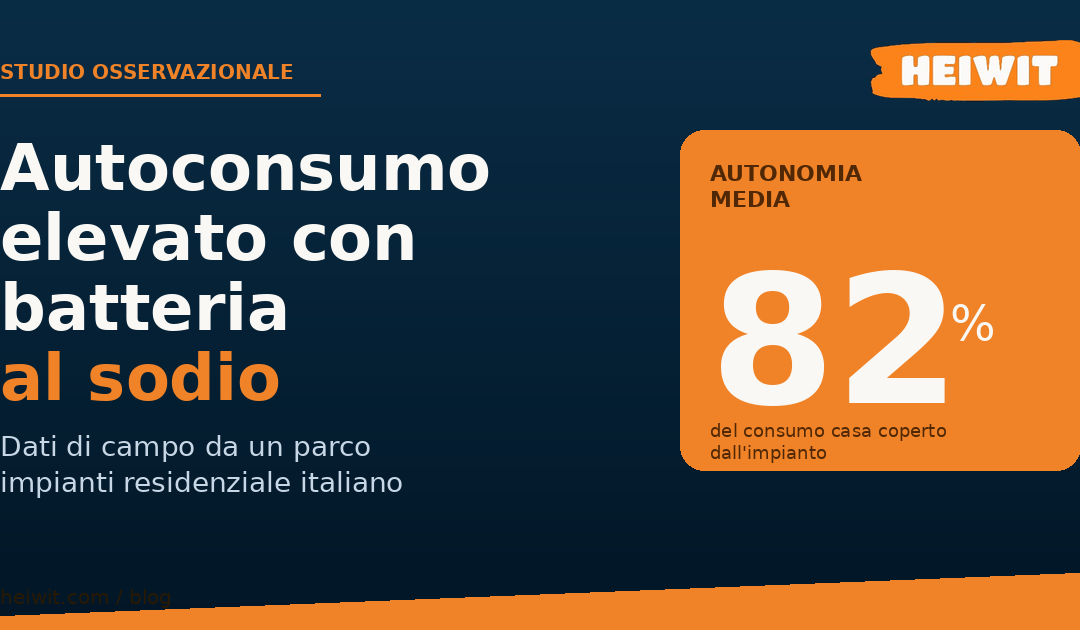
High self-consumption with sodium-ion batteries: data from an Italian plant park
Observational study · Residential storage High self-consumption with sodium-ion batteries: data from an Italian plant portfolio Analysis of the distribution of energy autonomy in a portfolio of residential photovoltaic systems equipped with storage...
Artificial Intelligence and Photovoltaics: how AI-CARE optimises energy self-consumption
Artificial Intelligence and Photovoltaics: how AI-CARE optimises energy self-consumption In recent years, the integration of photovoltaic systems and storage systems has transformed how we produce and use energy. However, the real leap...
From bill to positive balance: 31 days with HEIWIT ⚡
From bill to positive balance: 31 days with HEIWIT ⚡ Yes, you read that right. In the last 31 days, in one of our systems the energy sold exceeded the energy bought: the measured balance is positive by €61.65. The balance covers energy only (it does not include...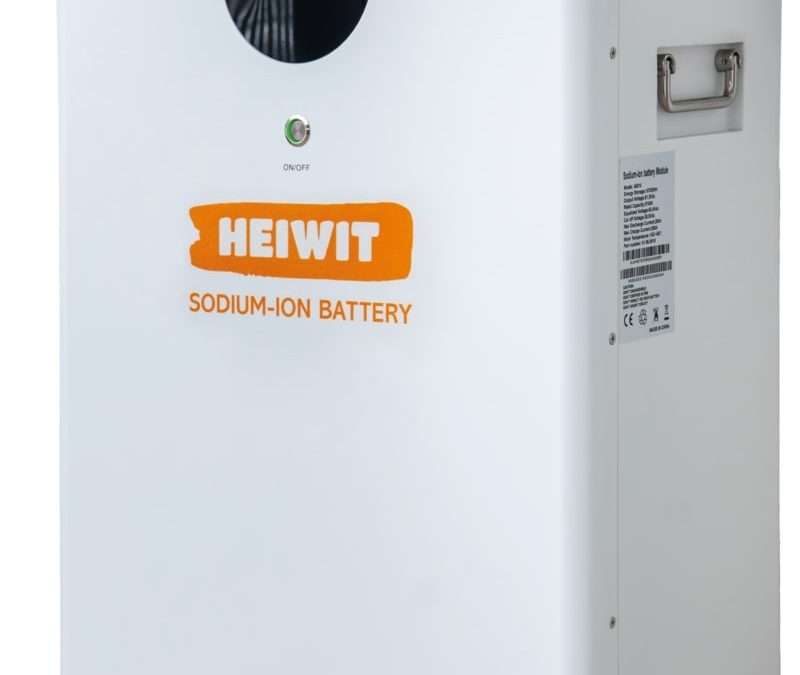
Sodium-ion self-discharge: only 6% lost over 539 days
Sodium-ion self-discharge: only 6% lost over 539 days When discussing storage batteries, the focus is often solely on capacity, power and price. But there is one parameter that says a great deal about a battery’s true quality: self-discharge. And it is precisely here...
AI storage: how artificial intelligence accumulation can increase GSE revenue
AI storage: how artificial intelligence accumulation can increase GSE revenue Today, the issue is not just how much energy a photovoltaic plant produces, but also when it is convenient to consume it, store it, or sell it to the grid. And this is precisely where...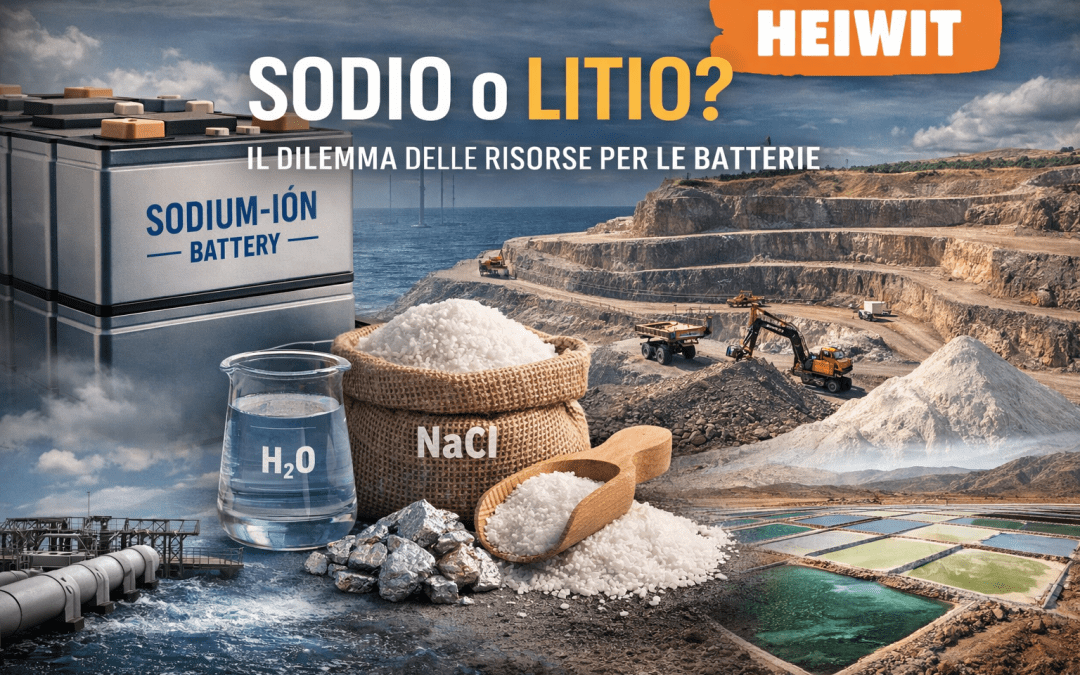
How much raw material is really needed for sodium-ion batteries? The scientific calculation, explained simply
How much raw material is really needed for sodium-ion batteries? The scientific calculation, explained simply Spoiler: no, the sea wouldn't be desalinated if all the batteries the world needs were sodium-ion. Let's see why. When talking about batteries...
Sodium safer than lithium? What the research says (and why “safety” is not one)
The safety certifications for our systems are listed on the sodium-ion battery range page. Is sodium safer than lithium? What the research says (and why “safety” isn’t a one-size-fits-all concept) When it comes to energy storage for solar power, the question...
RED III Directive: what changes for renewable energy in Europe and Italy
The Renewable Energy Directive III (RED III) marks a key step in the European renewable energy strategy. With more ambitious targets and a strongly efficiency-oriented approach to the energy system, the directive strengthens the role...
Heiwit battery in retrofit on existing photovoltaic systems: when the kit pays off and when to replace the inverter
Le batterie utilizzabili in retrofit sono quelle della gamma di batterie agli ioni di sodio.Batteria Heiwit in retrofit su impianti fotovoltaici esistenti: quando conviene il kit e quando sostituire l’inverter Integrare una batteria agli ioni di sodio Heiwit nel tuo...
Temperature range of Heiwit sodium-ion batteries: charging, discharging and TÜV SÜD tests
Range di temperatura delle batterie Heiwit: datasheet e documento TÜV SÜD La batteria Heiwit agli ioni di sodio in vendita oggi si scarica da −25 °C a +60 °C e si carica da 0 °C a +60 °C. Va installata in ambienti interni. Il sistema composto da inverter Virgo e...
Storage in Italy: boom in connections in the first half of 2025
Robust growth in the first six months of the year From January to June 2025, 1,140 MW of new storage systems were connected in Italy, an increase of 8.2 % compared to the 1,054 MW recorded in the same period in 2024.At the same time, usable capacity in...
Heiwit invited by EU to contribute to the future of sodium batteries
Sodium ion batteries are emerging as one of the most promising technologies in energy storage. Unlike traditional lithium batteries, they use abundant and readily available materials, reducing dependence on...
CEI 0-21 certification of the Heiwit single-phase inverter for sodium-ion batteries (TÜV SÜD, October 2025)
Nel panorama dell’energy storage, ottenere la certificazione CEI 0-21 di un inverter grid-connected abbinato a batterie agli ioni di sodio è un passaggio importante. Il risultato raggiunto dal team di Heiwit rappresenta non solo un passo avanti tecnologico, ma anche...
Aging Test: how we test the reliability of our 6kW inverters before delivery
In the video below we show an important step in our production process: the aging test on the 6kW single-phase inverters, designed to work in conjunction with Heiwit 10kWh sodium-ion batteries. This is an essential test that...
Heiwit: sodium ion batteries set to revolutionise European storage
Heiwit has reached a major strategic milestone in the development of sodium-ion batteries, an innovative technology that is set to revolutionise the energy storage market. Heiwit is preparing its own factory in Italy: the first phase,...
 Italian
 English
 German
 French
 Spanish
 Polish
 Dutch
 Romanian
 Hungarian
 Czech
 Swedish
 Portuguese
 Greek