

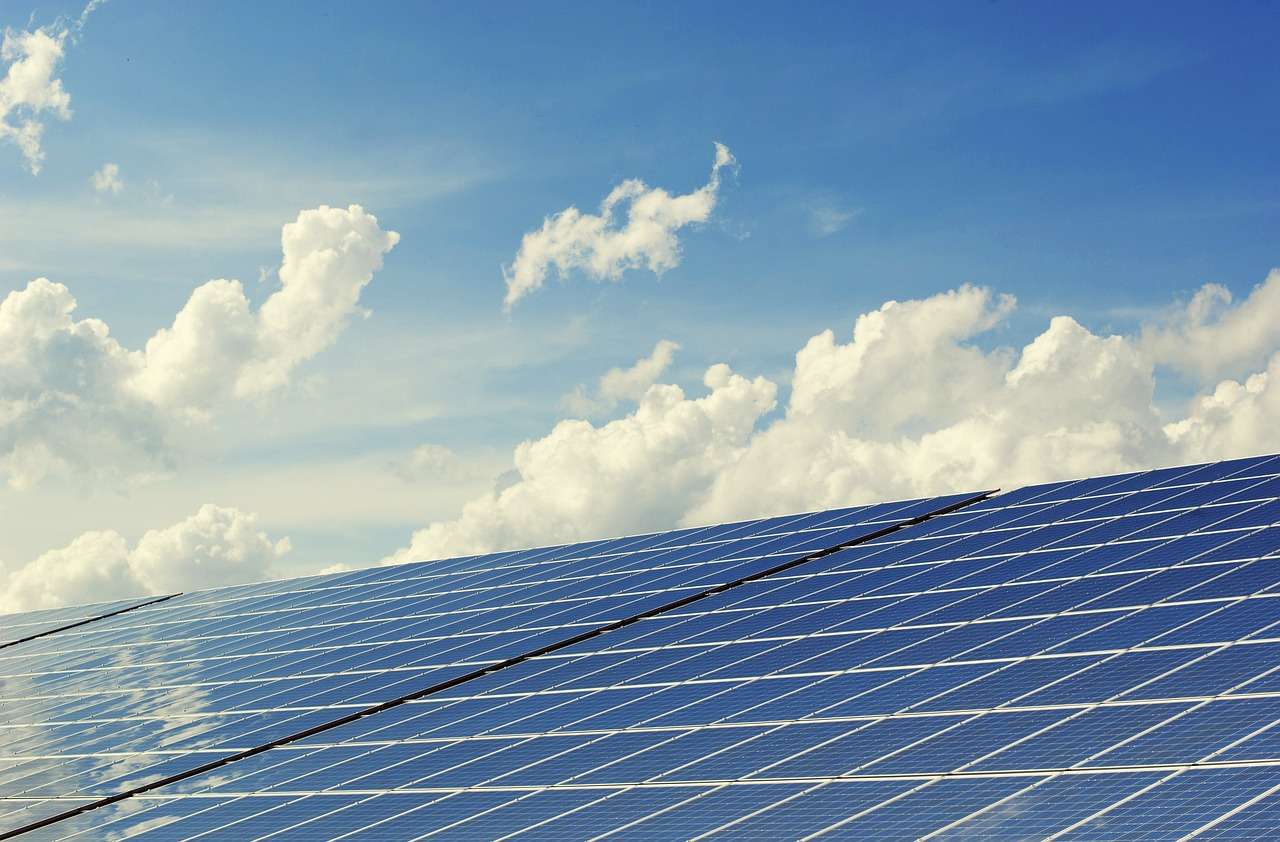
Are solar panels really cost-effective? Despite expensive installation, in the long run, they make it possible to recover the money spent? These are some of the doubts that characterise entrepreneurs who have to install a photovoltaic system on a company roof. These people are looking for a solution that will enable them to save on energy consumption and reduce their companies' impact on the environment. Is photovoltaics the best solution? Let's take a look at the costs and benefits of this technology and how to get a cost-effective photovoltaic system on a company roof.
Solar energy is among the cleanest and most affordable
Solar energy is universally recognised as one of the cleanest and most sustainable energy sources available. Its constant and abundant availability makes it a vital resource for meeting global energy needs. The main characteristic that distinguishes it from traditional sources is its renewable and inexhaustible nature. Derived from nuclear fusion within the solar core, solar energy is constant and not subject to depletion in the short term, clearly differentiating itself from fossil fuels and their harmful emissions.
Although this energy is unevenly distributed over the earth's surface due to various factors such as latitude, atmosphere and weather conditions, modern technology allows it to be used effectively anywhere. This makes solar energy particularly advantageous for regions that are isolated or poorly connected to the traditional electricity grid.
Another significant advantage of solar energy is its flexibility of use on a local scale. The installation of photovoltaic systems on the roofs of homes or commercial facilities enables individuals to generate energy for their own consumption and that of the community, reducing dependence on the central electricity grid and contributing to the reduction of greenhouse gas emissions.
Furthermore, once solar energy is converted into electricity through photovoltaic panels, its transportability becomes simple and efficient. This allows the creation of large solar parks in areas with high levels of solar radiation, optimising production on an industrial scale and facilitating the supply of clean energy for larger communities and geographical regions.
Solar panels are still expensive and need a lot of sunlight
Many people are influenced by false myths circulating online and trying to discredit photovoltaics, slowing down the adoption of this technology that is already yielding excellent results in terms of reduced CO2 emissions. It is thought that the cost of solar panels is excessively high, for the service you then get, while their production and disposal would be extremely polluting, more so than the fossil fuels used for traditional energy production.
Life cycle analysis (LCA) of photovoltaic solar panels actually highlights their rapid payback in terms of both energy and carbon emissions. Studies indicate that solar panels pay for themselves in a short period of time, offsetting the energy and carbon cost of their production within their operational life cycle.
As the production of solar panels increases, the environmental cost of their manufacture decreases, shortening the carbon and energy recovery period. However, pinpointing the exact recovery point is complex due to numerous factors, such as production method, location, operating and installation conditions. For example, a panel produced in France or Germany and installed in China, where primary energy comes mainly from high-carbon sources such as coal, would quickly offset the energy and carbon cost of its production. However, the opposite happens when a panel produced in China is installed in France.
A typical solar panel saves over 900 kg of CO2 per year, with a carbon payback period of about 1.6 years. The 25-year life expectancy of the panels ensures a large margin of environmental gain. Furthermore, a study shows that one square metre of crystalline silicon requires 250 kWh of electricity for production, with a payback period of about 2.5 years.
Cost-benefit analysis of a photovoltaic system on a company roof
To support our thesis on the cost-effectiveness of photovoltaics, we give the example of a company that decided to install its solar system recently. Considering that the company was of medium size, with an annual energy consumption of 200,000 kWh, the installation of a 100 kW photovoltaic system required an initial investment of approximately 150,000 - 200,000 Euro, including design, material and installation costs. If this company had turned to us at Heiwit from the outset, the installation cost would have been borne entirely by us.
With the owner of the property, we would agree on a 30-year lease and a power purchase agreement for the transfer of the energy produced by the photovoltaic system. After 5 years, we would give the opportunity to purchase the system at a favourable price.
With an average annual solar energy production of around 150,000 kWh, the company has significantly reduced its dependency on the traditional electricity grid. Using an average electricity price of EUR 0.12 per kWh, the company saved up to EUR 18,000 per year on its energy bill.
Considering an operational life of the photovoltaic system of 25 years and an annual energy cost growth of 3%, the ROI could vary between 7 and 10 years. In addition to the economic benefits, the company has significantly reduced its carbon footprint, contributing to the fight against climate change and improving its corporate image in terms of environmental sustainability by obtaining ISO 14001 certification.
Is photovoltaics the best type of renewable energy?
Renewable energy has become a priority for many companies around the world, including those in Italy, seeking to reduce their environmental footprint and energy costs. Of the various options available, photovoltaics emerge as the most advantageous choice for many of these companies. While other renewable sources such as wind power, hydropower and geothermal energy offer unique advantages, photovoltaics stand out for several reasons.
Firstly, solar energy is extremely clean, emits no greenhouse gases and produces no harmful by-products, ensuring a reduced environmental impact. In addition, the solar panels are highly reliable, with a minimal failure rate, ensuring constant production over time.
Compared to other renewables, such as wind power, which depends on the constant presence of wind, or hydropower, which requires the construction of complex infrastructure, the installation of photovoltaic systems is easier and more versatile. Modern photovoltaic systems are also designed for those areas of the world with less sunshine or where it gets dark early. Even at night, therefore, solar panels are able to produce a small amount of energy.
Solar energy is particularly suited to Italy, which enjoys a sunny climate for much of the year, ensuring constant production. From an economic perspective, photovoltaics offer a quick return on investment and can help companies significantly reduce their energy costs in the long term.
With continued advances in solar technology and available government incentives, the installation of photovoltaic systems is becoming increasingly convenient and profitable for Italian companies. Discover the photovoltaic rental of Heiwit and all its advantages, to ensure your energy-intensive company lower environmental impact and lower consumption costs. Visit our website or contact us.
 Italian
  English
  German
  French
  Spanish
  Polish
  Dutch
Dutch  Romanian
  Hungarian
  Czech
Czech  Swedish
  Portuguese
  Greek
Greek