

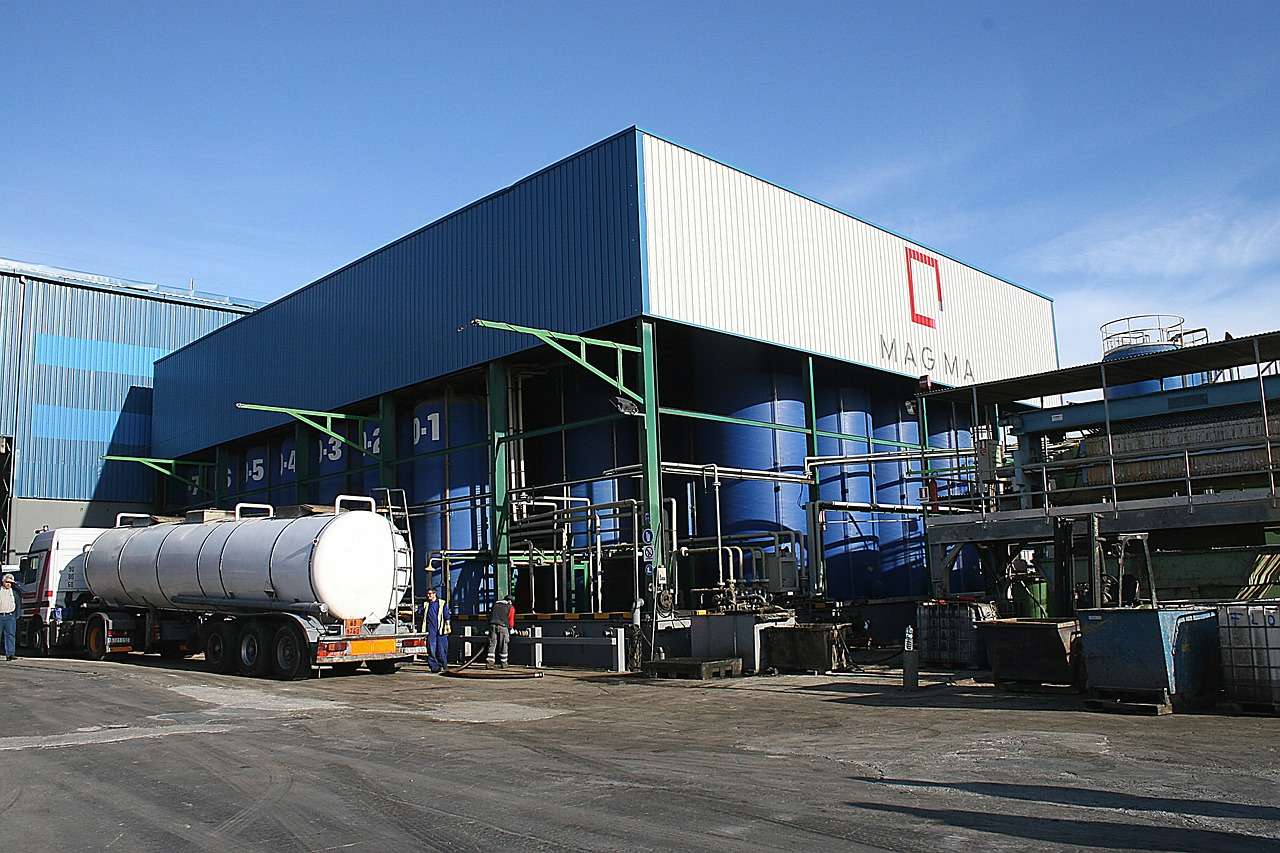
In the current industrial landscape, we can distinguish energy-intensive companies by non-energy-intensive companies.
Energy-hungry companies play a crucial role in the national economy, especially in Italy and EU countries, where the focus on their high energy consumption is particularly pronounced. These companies operate in a wide range of industries including paper, food, mechanical and steel, are characterised by their considerable use of electricity, which makes them key players in the debate on energy efficiency and consumption reduction at national level.
Let us take a closer look at the concept of energy-hungry companies and the support strategies implemented at state level to promote the reduction of their energy consumption.
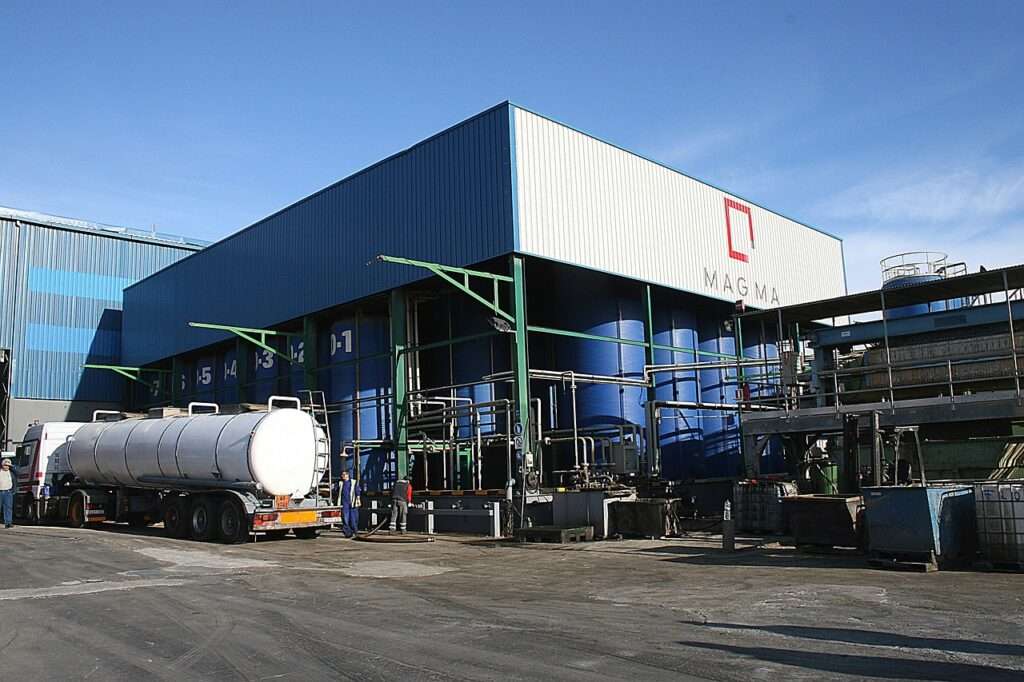
A definition of energy-hungry companies
The concept of an energy-hungry company refers to those companies that have significant electricity consumption with a direct impact on their overall turnover. In Italy, these companies are monitored and published in official lists, such as the CSEA (Cassa Servizi Energetici e Ambientali - Energy and Environmental Services Fund) energy portal, which counts around 3000 of them. However, not all companies with high energy consumption automatically fall into the category of energy-intensive; there are specific criteria that must be fulfilled. For example, according to the Decree of 21 December 2012, a company must exceed a minimum threshold of annual electricity consumption of 1 GWh (1,000,000 kWh) in order to be considered energy-hungry.
What it means to own an energy-intensive company
Being an owner of an energy-intensive business implies a number of criteria and obligations that must be fulfilled in order to comply with current regulations. As of 1 January 2018, an enterprise is considered to be energy-intensive if its average electricity consumption exceeds at least 1 GWh/year and if it meets at least one of the following requirements:
- operate in sectors specified in Annex 3 of the European Commission's 2014 Guidelines on State Aid for the Environment and Energy;
- have an Electricity Intensity Index (EI) greater than or equal to 20% of Gross Value Added at Market Price (GVA) if they operate in sectors listed in Annex 5 of the EC Guidelines;
- be included in the energy-intensive companies lists of the Cassa per i Servizi Energetici e Ambientali (CSEA) 2013 and 2014.
Energy-intensive companies are required to undergo a energy diagnosis every four years to assess energy consumption and identify possible savings. Subsequently, they must implement an energy efficiency measure identified through the diagnosis and adopt management systems compliant with ISO 50001 standards. The fulfilment of these obligations must be reported to the National Agency for New Technologies, Energy and Sustainable Economic Development (ENEA), which allows energy-intensive companies to benefit from the reduction of system charges on their bills.
Failure to carry out an energy audit results in administrative penalties ranging from €4,000 to €40,000 for companies that do not carry it out and from €2,000 to €20,000 for those that do not comply with regulations.
Criticality of energy-hungry companies in Europe
Energy-intensive industries in Europe are facing an increasingly critical situation in 2024, with additional costs in the billions looming in the new draft budget. The announced increase of the CO2 tax and the abolition of subsidies for electricity grid taxes in some European countries will contribute to further raising the already high electricity and gas costs, putting further pressure on Germany's energy-intensive industries (EID) and the Alliance for a Just Energy Transition (BfE).
The doubling of transmission network tariffs as of 1 January 2024 will be a further obstacle for the competitiveness of companies, which are already struggling with uncompetitive electricity prices. The abolition of the state subsidy for transmission grid fees will lead to an additional annual burden of around EUR 2 billion for sectors such as building materials, chemicals, glass, non-ferrous metals, paper and steel. The lack of policy solutions to ensure internationally competitive electricity prices risks endangering the survival of companies in a context of global competition and the transition to climate-neutral production.
This is the case, for example, with German energy-intensive companies, and their crisis could have significant repercussions on the entire industrial fabric and related services. The lack of support measures for small and medium-sized enterprises and the absence of a real prospect of a fair energy transition fuel the concerns of companies, which fear that they cannot compete in the market and face the prospect of bankruptcy.
The situation in Italy
Our energy-intensive companies can count on a number of state subsidies.
The Italian government implemented these measures in order to support these companies in coping with increases in electricity and gas costs by providing them with facilities to ensure a transition to a more sustainable energy system.
The Decree Sostegni-ter (DL No. 4/2022) established a tax credit of 20% for energy-intensive businesses that incurred expenses for actual energy costs in the first quarter of 2023. This incentive aims to mitigate the effects of rising energy costs on companies by allowing them to offset part of the expenses incurred.
In addition, the Energy Decree (DL No. 17 of 1 March 2022) eliminated the item on the bill relating to “system charges” for utilities with available power of 16.5 kW or more as of January 2022, extending the relief to gas-guzzling companies as well. This elimination of system charges helps to reduce overall energy costs for businesses, enabling them to remain more competitive on the market.
The recent Energy Decree, which was converted into law in November 2023, introduced additional subsidies for energy-intensive companies as of 1 January 2024. These new facilities provide for non-repayable subsidies to offset rising energy costs and promote the adoption of renewable energy sources. In addition, the EUR 10/kW tax for new renewable installations above 20 kW was abolished, further incentivising the adoption of clean and sustainable energy.
Heiwit for energy-intensive companies
Energy-intensive businesses are crucial players in the context of energy efficiency and environmental sustainability. Government support through tax incentives and regulatory obligations aims to promote more responsible and sustainable management of energy resources, thus contributing to the overall reduction of consumption and greenhouse gas emissions. These initiatives are part of a broader framework to promote renewable energy and the transition to a low-carbon economy.
The recent Energy Decree, which was converted into law in November 2023, introduced new subsidies for energy-intensive companies as of 1 January 2024. These include non-repayable subsidies to offset rising energy costs and promote the adoption of renewable energy sources. In addition, some taxes have been abolished to further incentivise the use of clean and sustainable energy.
These initiatives not only promote environmental sustainability, but also offer economic benefits to businesses. In parallel, companies like Heiwit offer innovative solutions to optimise energy and reduce energy costs for businesses. By installing photovoltaic systems and adopting energy-efficient practices, companies can not only reduce their environmental impact, but also gain significant financial benefits.
Investing in solar energy with projects like Heiwit is therefore not only an opportunity for companies to increase their profitability, but also a concrete contribution to environmental sustainability and the fight against climate change. Contact us to find out more.
 Italian
  English
  German
  French
  Spanish
  Polish
  Dutch
Dutch  Romanian
  Hungarian
  Czech
Czech  Swedish
  Portuguese
  Greek
Greek