

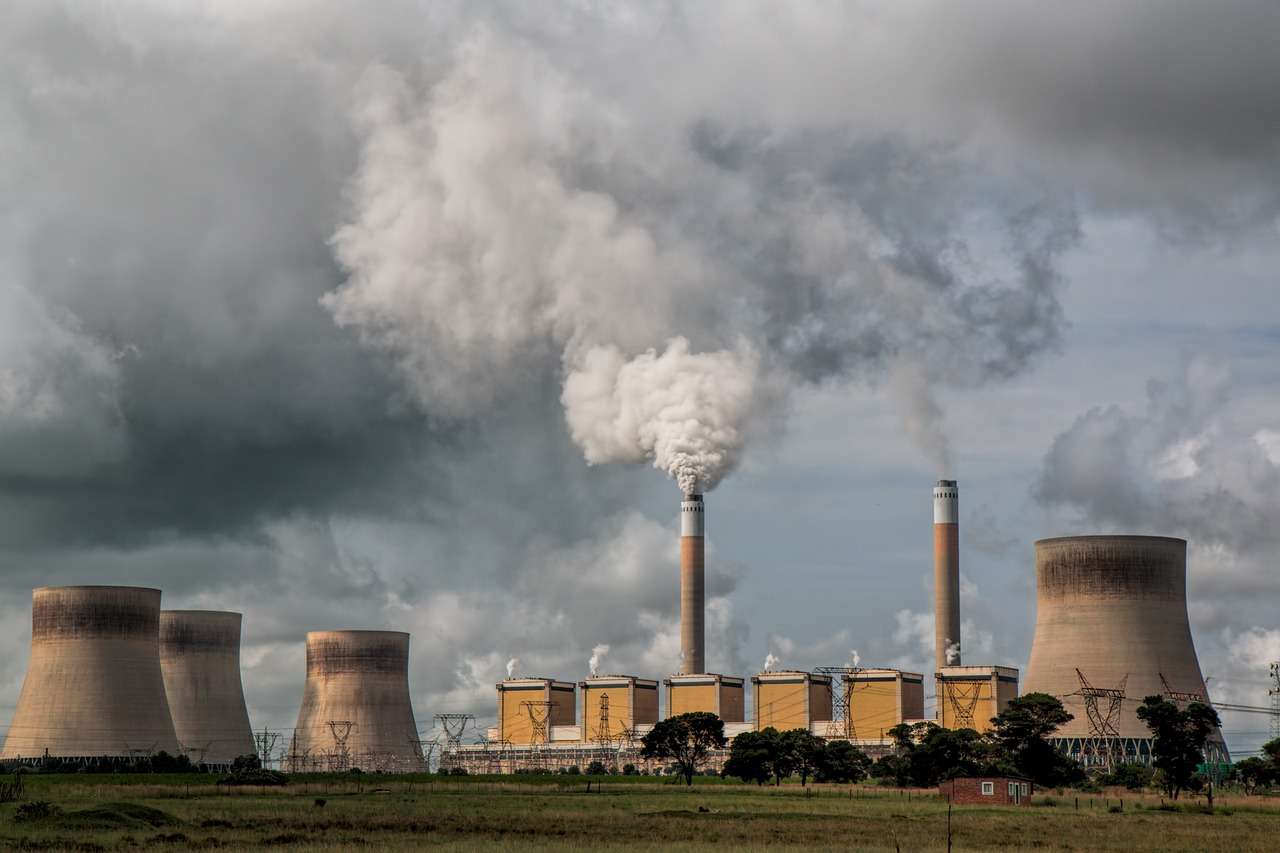
We talked about climate crisis. Today we explain one of the causes that is generating this dangerous environmental phenomenon.
Behind the problems that are afflicting our planet, there are economic and industrial sectors that contribute to the creation of smog and the emission of large quantities of CO2. The energy industry, responsible for about two thirds of pollutant emissions according to the EEA, often uses fossil fuels to generate electricity, thus contributing to the increase of carbon dioxide and other harmful substances in the atmosphere.
What are fossil fuels?
I fossil fuels are natural resources of organic origin, formed over millions of years through the decomposition process of living organisms, such as plants and animals, buried under layers of sediment. These organic materials undergo a chemical transformation process known as lithification, which transforms them into energy-rich carbon deposits, such as coal, oil and natural gas.
Faced with this information, some might think: if these are resources from nature, why are we so concerned about them?
These fuels are characterised by high carbon and hydrogen contents and are used as major energy sources worldwide for electricity generation, heating, transport and industry. However, their combustion releases large quantities of greenhouse gases and other pollutants into the atmosphere, contributing to global warming and air pollution, with serious consequences for human health and the environment. Let us elaborate on this in more detail.
Fossil fuels: uses, advantages and disadvantages
The use of fossil fuels has historical roots dating back to the late 18th century, during the industrial revolution in Europe and North America. This period marked a sharp increase in the demand for energy by industries, mainly met by the use of coal until the 1950s. England, in particular, benefited from the presence of coal deposits that fuelled the start of the industrial revolution.
During the 20th century, the use of fossil fuels grew significantly, with oil gradually replacing coal as the main energy source, being more economically and environmentally efficient. In 1955, fossil fuels accounted for 52% of the world's energy needs, increasing to 64% in 1970.
Currently, fossil fuels cover more than 85% of global energy needs, with oil contributing 40%, coal 26% and natural gas 23%. These numbers reflect the global dependence on these resources to meet daily energy needs.
Fossil fuel risks
There is much talk today about the danger of fossil fuels for people's health and the environment, but then why don't we stop using them? This is because have advantageous characteristics: are highly concentrated in energy relative to their volume, can be easily transported and stored, are compatible with simple machinery and are relatively low cost.
However, the advantages do not outweigh the disadvantages. These fuels produce pollutants that are released into the air during their combustion, such as sulphur dioxide, which contributes to acid rain. Furthermore, the use of fossil fuels leads to an increase in the amount of carbon dioxide in the atmosphere, a gas responsible for global warming.
There are also other dangers associated with fossil fuels. Oil spills during extraction and transport operations are a constant threat to marine and coastal ecosystems. In addition, coal mining can contaminate groundwater resources, causing acid mine drainage and damaging aquatic habitats. Solid waste, such as the material extracted during coal mining, further contributes to the pressure on the environment and the need for responsible disposal.
Another critical issue is that fossil fuels are not renewable, which means that their availability is limited and they are being depleted due to high energy demand. This leads to a gradual increase in prices and has prompted many countries to look for more sustainable energy alternatives.
To address these problems, policies and technologies are needed that promote clean and renewable energy sources while reducing dependence on fossil fuels. This will protect the environment and people's health by reducing the negative impact of fossil fuels on the air we breathe and our climate.
Decarbonisation, renewables, Europe 2030 climate targets
Despite the challenges posed by the use of fossil fuels, there is reason for optimism looking to the future. The transition to renewable energy sources is already underway and is a key solution for the decarbonisation and reducing environmental impact. Renewable energies such as sun, wind, and water offer a sustainable and environmentally friendly approach to meeting our energy needs.
In addition, Europe has set itself ambitious climate targets for 2030, committing to reduce greenhouse gas emissions and increase the share of energy produced from renewable sources. These efforts will not only help mitigate climate change, but also create new economic and employment opportunities in the clean energy sector. With targeted investments, technological innovation and a global commitment, we can achieve a transition to a more sustainable and resilient future.
Renewable energy is the key to this positive change, offering a path to a cleaner, safer and more prosperous world for future generations. Find out how we at Heiwit are part of this transition: we install photovoltaic panels on company roofs, with flexible and convenient PV rental and purchase contracts for our customers. Find out more on our website.
 Italian
  English
  German
  French
  Spanish
  Polish
  Dutch
Dutch  Romanian
  Hungarian
  Czech
Czech  Swedish
  Portuguese
  Greek
Greek