

Industrial Photovoltaic Plant: Advantages and Opportunities for Companies
In recent years, the adoption of a industrial photovoltaic system has become a strategic choice for many companies, both to reduce energy costs and to improve environmental sustainability. In a context where environmental awareness and social responsibility are increasingly central, companies that invest in renewable energy can reap significant benefits, both economically and in terms of image.
What is an Industrial Photovoltaic Plant?
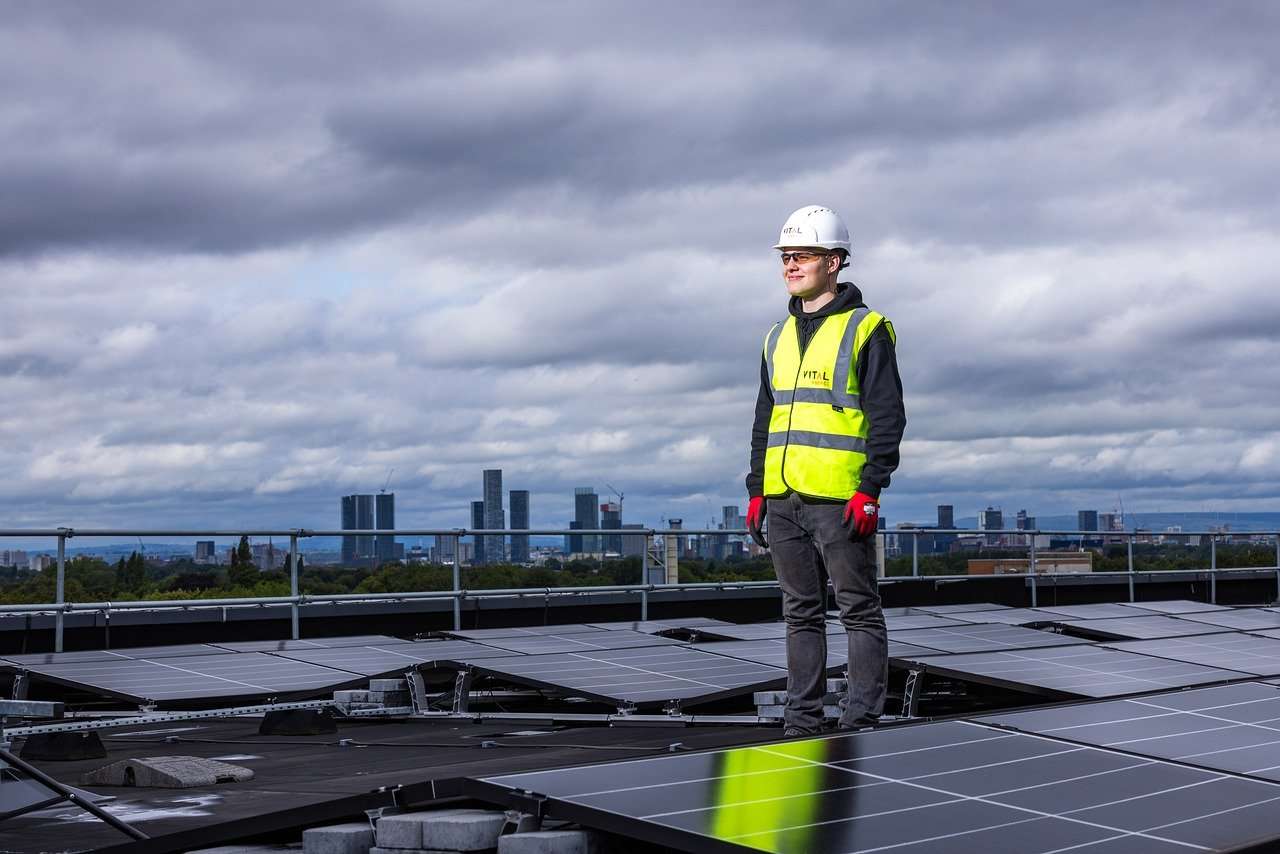
A industrial photovoltaic system is a system designed to generate solar energy on a large scale, specifically intended to cover the energy needs of companies and industries. Unlike small residential systems, industrial photovoltaic systems are dimensioned to provide high power, often over 50 kW, and can cover large areas, such as shed roofs, car parks or dedicated land.
These systems transform sunlight into usable electricity, allowing companies to reduce their dependence on the traditional electricity grid and cut operating costs.
Why Choose an Industrial Photovoltaic System?
-
Reducing Energy CostsOne of the main advantages of an industrial photovoltaic system is the possibility of cutting energy costs. The solar energy produced can be directly used to power production processes, reducing the amount of energy purchased from the grid and thus the cost of the bill. In many cases, energy not consumed can be fed into the grid, generating additional revenue.
-
Sustainability and Corporate Image: Today, companies are increasingly valued not only for their products or services, but also for their environmental impact. An industrial photovoltaic system contributes to reducing CO₂ emissions, improving the company's ESG (Environmental, Social, and Governance) score. Investing in solar can also be a powerful marketing tool to communicate a company's commitment to a sustainable future to customers and stakeholders.
-
Tax Incentives and Deductions: In many countries, including Italy, incentives and facilities are available for companies investing in renewable energy. For example, the PNRR (National Recovery and Resilience Plan) provides subsidies for the installation of industrial photovoltaic systems, which can significantly reduce the initial investment. This makes it even more convenient for companies to opt for this solution.
-
Energy Stability: An industrial photovoltaic system makes it possible to reduce dependence on fluctuations in energy prices. The ability to produce energy independently and sustainably makes the company less vulnerable to increases in electricity costs and ensures greater economic stability in the long term.
How Does the Installation of an Industrial Photovoltaic System Work?
The process of installing a industrial photovoltaic system involves several stages, all of which are essential to ensure maximum plant efficiency:
-
Feasibility AnalysisIt starts with a preliminary study to verify the feasibility of the installation. The available surface area, the orientation of the roofs or land, and the possible presence of shading are assessed.
-
DesignOnce the feasibility has been verified, we move on to the design of the photovoltaic system. This phase includes the selection of the solar panels, inverter and all components required for optimal efficiency.
-
Installation and Testing: The installation of the system is carried out by specialised technicians, who position the panels and connect them to the company's internal power grid. Upon completion, a test is carried out to ensure that the system is working properly.
-
Monitoring and Maintenance: After installation, it is important to constantly monitor the production of the system to ensure that it is operating at maximum efficiency. In the event of problems or reductions in production, timely intervention can avoid financial losses.
How much does an Industrial Photovoltaic Plant cost?
The cost of an industrial photovoltaic system depends on several factors, including the installed power, the quality of the solar panels, and the specific needs of the company. Generally, for a 50 kW system, the investment can vary between €60,000 and €100,000, including design and installation costs. However, incentives and the savings generated shorten the payback time of the investment, which must be estimated case by case based on self-consumption, energy prices and applicable incentives.
Energy cost savings depend on the share of self-consumption achieved. This means that, in addition to covering installation costs, an industrial photovoltaic system can generate profits for the company in the long run.
Industrial Photovoltaic Plant: A Choice for the Future
Investing in a industrial photovoltaic system means choosing a more sustainable and secure future for your company. With the economic and environmental benefits it offers, it is a solution that suits the needs of many businesses, from small and medium-sized enterprises to large industries.
In a world where sustainability is increasingly central, having a photovoltaic system can be a competitive advantage, enhancing a company's reputation and contributing to a greener future for all.
To find out how an industrial photovoltaic system can be the ideal solution for your company, visit Heiwit.
Industrial Photovoltaic Plant: Advantages and Opportunities for Companies
In recent years, the adoption of a industrial photovoltaic system has become a strategic choice for many companies, both to reduce energy costs and to improve environmental sustainability. In a context where environmental awareness and social responsibility are increasingly central, companies that invest in renewable energy can reap significant benefits, both economically and in terms of image.
What is an Industrial Photovoltaic Plant?
A industrial photovoltaic system is a system designed to generate solar energy on a large scale, specifically intended to cover the energy needs of companies and industries. Unlike small residential systems, industrial photovoltaic systems are dimensioned to provide high power, often over 50 kW, and can cover large areas, such as shed roofs, car parks or dedicated land.
These systems transform sunlight into usable electricity, allowing companies to reduce their dependence on the traditional electricity grid and cut operating costs.
Why Choose an Industrial Photovoltaic System?
-
Reducing Energy CostsOne of the main advantages of an industrial photovoltaic system is the possibility of cutting energy costs. The solar energy produced can be directly used to power production processes, reducing the amount of energy purchased from the grid and thus the cost of the bill. In many cases, energy not consumed can be fed into the grid, generating additional revenue.
-
Sustainability and Corporate Image: Today, companies are increasingly valued not only for their products or services, but also for their environmental impact. An industrial photovoltaic system contributes to reducing CO₂ emissions, improving the company's ESG (Environmental, Social, and Governance) score. Investing in solar can also be a powerful marketing tool to communicate a company's commitment to a sustainable future to customers and stakeholders.
-
Tax Incentives and Deductions: In many countries, including Italy, incentives and facilities are available for companies investing in renewable energy. For example, the PNRR (National Recovery and Resilience Plan) provides subsidies for the installation of industrial photovoltaic systems, which can significantly reduce the initial investment. This makes it even more convenient for companies to opt for this solution.
-
Energy Stability: An industrial photovoltaic system makes it possible to reduce dependence on fluctuations in energy prices. The ability to produce energy independently and sustainably makes the company less vulnerable to increases in electricity costs and ensures greater economic stability in the long term.
How Does the Installation of an Industrial Photovoltaic System Work?
The process of installing a industrial photovoltaic system involves several stages, all of which are essential to ensure maximum plant efficiency:
-
Feasibility AnalysisIt starts with a preliminary study to verify the feasibility of the installation. The available surface area, the orientation of the roofs or land, and the possible presence of shading are assessed.
-
DesignOnce the feasibility has been verified, we move on to the design of the photovoltaic system. This phase includes the selection of the solar panels, inverter and all components required for optimal efficiency.
-
Installation and Testing: The installation of the system is carried out by specialised technicians, who position the panels and connect them to the company's internal power grid. Upon completion, a test is carried out to ensure that the system is working properly.
-
Monitoring and Maintenance: After installation, it is important to constantly monitor the production of the system to ensure that it is operating at maximum efficiency. In the event of problems or reductions in production, timely intervention can avoid financial losses.
How much does an Industrial Photovoltaic Plant cost?
The cost of an industrial photovoltaic system depends on several factors, including the installed power, the quality of the solar panels, and the specific needs of the company. Generally, for a 50 kW system, the investment can vary between €60,000 and €100,000, including design and installation costs. However, incentives and the savings generated shorten the payback time of the investment, which must be estimated case by case based on self-consumption, energy prices and applicable incentives.
Energy cost savings depend on the share of self-consumption achieved. This means that, in addition to covering installation costs, an industrial photovoltaic system can generate profits for the company in the long run.
Industrial Photovoltaic Plant: A Choice for the Future
Investing in a industrial photovoltaic system means choosing a more sustainable and secure future for your company. With the economic and environmental benefits it offers, it is a solution that suits the needs of many businesses, from small and medium-sized enterprises to large industries.
In a world where sustainability is increasingly central, having a photovoltaic system can be a competitive advantage, enhancing a company's reputation and contributing to a greener future for all.
To find out how an industrial photovoltaic system can be the ideal solution for your company, visit Heiwit.
 Italian
  English
  German
  French
  Spanish
  Polish
  Dutch
Dutch  Romanian
  Hungarian
  Czech
Czech  Swedish
  Portuguese
  Greek
Greek