

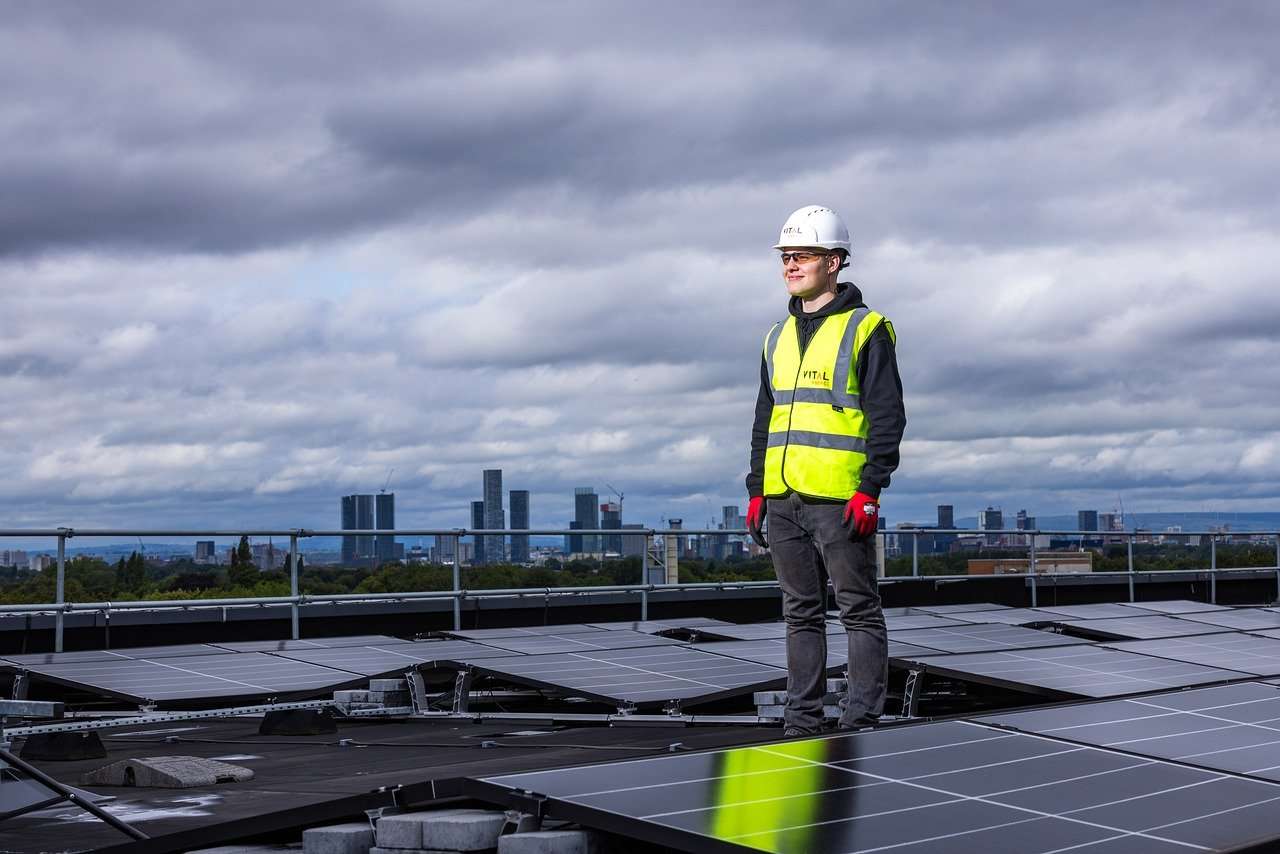
When deciding to install a photovoltaic system on a company roof, one of the questions entrepreneurs ask themselves is: how big does the system have to be? How powerful should the solar panels to meet your company's energy demand?
Photovoltaic dimensioning is not just a matter of calculating power based on energy consumption, but also involves a precise assessment of environmental factors, geographical location, plant characteristics and specific customer requirements. Only through a detailed and methodical analysis can the efficiency, reliability and durability of a photovoltaic system be guaranteed.
In this article, we will explore the basic principles of photovoltaic dimensioning, analysing the variables to be considered and the methods used to determine the power required.
What aspects to consider before installing a photovoltaic system on a company roof
Before installing a photovoltaic system on a company roof, it is essential to consider several key aspects to ensure an effective and profitable implementation. Here is a handy check list:
- Analysing the company's average energy requirements is fundamental. This includes the evaluation of energy consumption in kilowatt-hours (kWh) over time, obtained by consulting the company's past energy bills. To calculate the company's energy requirements, multiply the output of the appliances in kilowatts by the time of use. For example, a 2 kW air conditioner for 5 hours consumes 10 kWh. To estimate the annual company consumption, consider the various appliances used.
- The climatic conditions and solar radiation in the area where the company is located directly influence the production of solar energy. It is important to carefully evaluate these variables in order to determine how much solar energy the system could generate
- La choosing the most efficient solar panels is crucial for maximising energy production. Panels with high conversion efficiency should be considered, capable of ensuring optimum performance even in changing environmental conditions.
- The size and power of the solar panels must be selected depending on the size of the company roof and the availability of space. Furthermore, it is important to assess the total power required to meet the company's energy needs.
Why is it important to choose the right power and size of a solar system?
Choosing the correct power and size of a solar system is crucial to ensure optimal efficiency and maximise energy yields. Only in this way can your company have a reduced impact on the environment and you can saving on bills.
The power output of solar panels can vary significantly, from around 150 watts to 370 watts per panel, depending on panel efficiency and cell technology. For example, high-quality solar cells can absorb more sunlight and provide higher conversion efficiency. This results in higher energy production and greater durability due to resistance to delamination.
The output of a photovoltaic panel, expressed in kWp (kilowatt peak), represents the maximum instantaneous electrical power produced under ideal conditions. The efficiency of the panel, calculated as a percentage, indicates the amount of solar energy converted into electricity per unit area. For example, a 250 Wp panel with an efficiency of 15.15% converts 15.15% of solar radiation into electrical energy under ideal conditions.
The size of the solar panels is another important aspect to consider. Typical residential solar panel sizes vary around 65 inches by 39 inches, but may vary slightly between manufacturers. It is essential to carefully assess the availability of roof space and to choose appropriately sized panels to maximise efficiency and utilisation of the available area.
For annual consumption of 3000 kWh, a 3 kW system is sufficient; for consumption of 4000 to 6000 kWh, a 4.5 kW system is needed.
In addition, the weight of the solar panels is a critical factor to consider in order to ensure the structural safety of the roof. Although the weight of the panels may vary slightly between brands, most solar panels weigh around 20 kilos. However, the panels we install at Heiwit are known to be among the lightest on the market, ensuring less structural pressure on the roof.
Choosing the right power and size for solar installations not only optimises energy efficiency and maximises yields, but also helps ensure the safety and durability of the installation over time. This is why we make sure that our customers have the right power and size before entering into a contract, we reserve the right to carry out an on-site inspection.
Heiwit for the energy transition
Today, the search for sustainable and affordable energy solutions has become a global priority. Companies like Heiwit are leading this transformation, offering innovative solutions in the photovoltaic sector.
Heiwit engages in the construction of photovoltaic systems on company roofs, providing an environmentally friendly and efficient alternative for energy production. With an approach based on long-term leases and favourable power purchase agreements, the company promotes a circular and sustainable economy. Heiwit's mission goes beyond merely providing green energy. We aspire to create an environment where energy self-sufficiency becomes the norm, without dependence on government incentives. This commitment is supported by a long-term vision of 100% energy production from renewable sources.
With our focused approach and expert support from Heiwit, finding the ideal power for your PV system becomes simple and cost-effective. Thanks to our experience and advanced technology, we guarantee tailor-made solutions that perfectly match your energy needs and savings goals.
 Italian
  English
  German
  French
  Spanish
  Polish
  Dutch
Dutch  Romanian
  Hungarian
  Czech
Czech  Swedish
  Portuguese
  Greek
Greek