

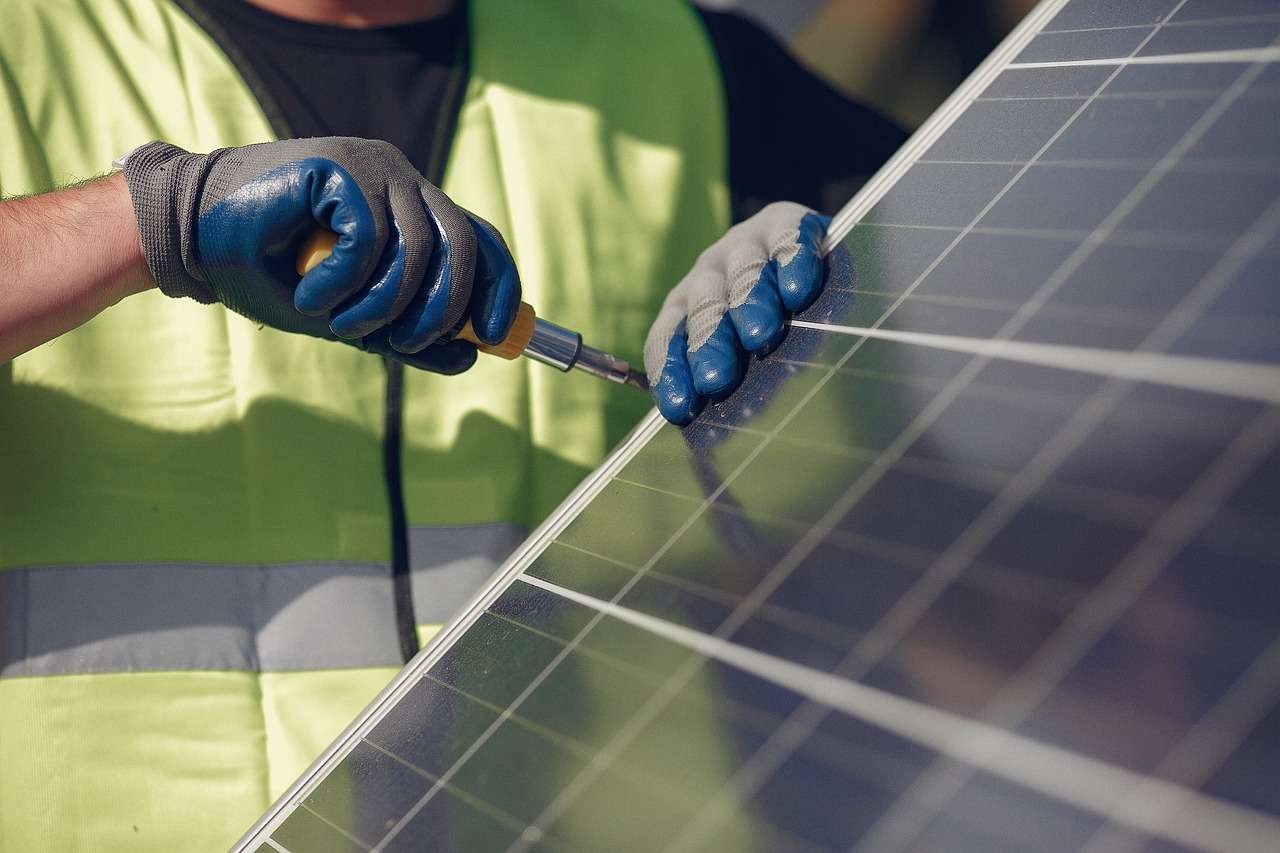
The transition to a green energy system is now an urgent necessity. In order to achieve this, it is crucial to incentivise the production of energy from renewable sources.
Alongside the installation of photovoltaic systems on roofs, new solutions are becoming popular in recent years that allow anyone to become prosumer, i.e. both producer and consumer of clean energy, even without owning a photovoltaic system.
The photovoltaic sector in Italy: the current status
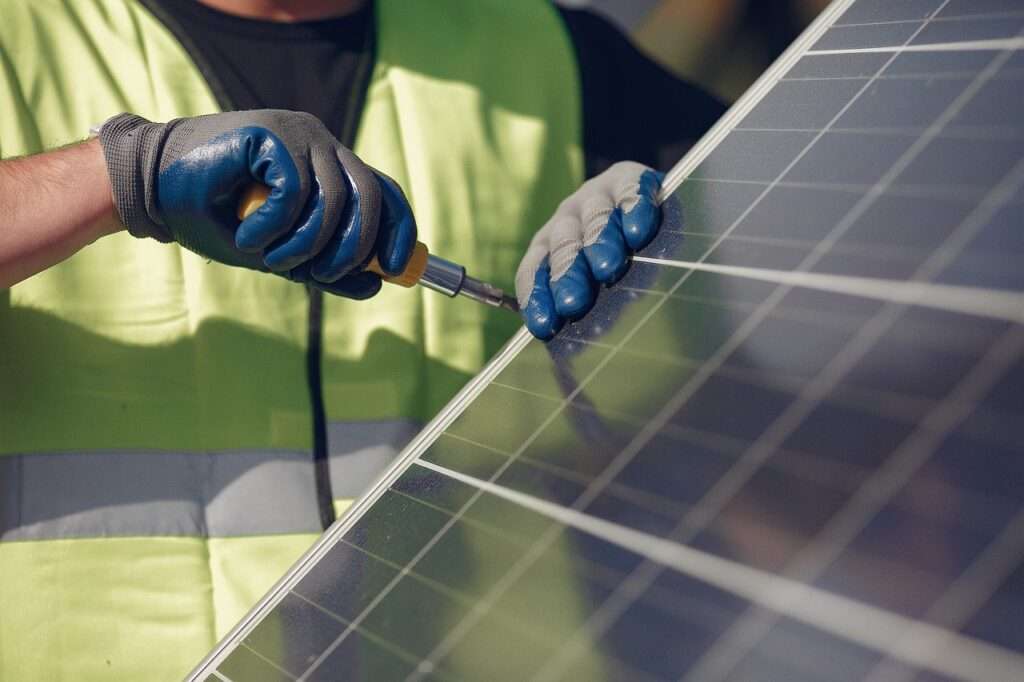
The photovoltaic sector in Italy has experienced exponential growth in recent years, positioning itself as one of the most dynamic and promising markets in Europe. According to data GSE, in 2023 the installed capacity of photovoltaic systems in Italy reached 11.7 GW, with an increase of 10% compared to the previous year.
This growth was driven by several factors, including:
- The drop in costs of photovoltaic panels, which has decreased significantly in recent years, making the installation of a system more affordable for households and businesses
- Incentives of the Italian government, introduced as incentive measures, such as the photovoltaic bonus and Superbonus 110%, which encouraged the installation of new systems
- Raising environmental awareness by many citizens and companies, who choose photovoltaic energy to reduce their environmental impact.
Despite its significant growth, the photovoltaic sector in Italy still has great scope for development. It is estimated that the installable photovoltaic potential in Italy is about 80 GW, compared to the current 11.7 GW. This means that there is still plenty of room for growth in the sector, with attractive investment opportunities for individuals and companies.
According to a PwC study, photovoltaics could cover 40% of Italy's energy needs by 2030, generating an economic value of more than 20 billion euros. Investing in photovoltaics in Italy is therefore an opportunity to contribute to the energy transition while reducing energy costs over time.
In addition to the economic data, it is also important to emphasise the environmental benefits of photovoltaics. The energy produced by this type of plant is clean and renewable, emits no greenhouse gases during operation and helps combat climate change.
How much does it cost to install a photovoltaic system in Italy?
Installing a photovoltaic system on your roof is an excellent choice for those who wish to contribute positively to the environment by becoming prosumers, i.e. producers and consumers of renewable energy. However, initial costs can be high: an average domestic installation can cost between 6,000 and 12,000 euros. Although the initial investment may seem prohibitive, there are various tax breaks and incentives that can significantly reduce these costs. For example, the photovoltaic bonus and the super bonus 110% are measures introduced to incentivise the adoption of renewable energy, making the installation of solar panels more accessible to more people.
Besides installing photovoltaic systems on one's own roof, there are other ways to invest in renewable energy and become a prosumer. One possibility is to participate in local energy communities, where members share the energy produced by collective plants, lowering individual costs and maximising efficiency. In addition, other forms of renewable energy, such as domestic wind or solar thermal, can be evaluated, depending on the characteristics of one's home and specific energy needs.
What does it mean to be a prosumer and what are the advantages?
Becoming a prosumer means taking an active role in energy production and consumption, turning passive consumers into key players in the energy transition.
One of the main benefits is the reduction of energy bills. By self-producing a significant part of one's energy needs through photovoltaic systems or other renewable sources, one can drastically reduce dependence on traditional energy suppliers. This not only lowers the cost of energy bills, but also offers greater predictability of long-term energy expenses.
In addition, prosumers enjoy greater energy independence. Since they are not completely tied to fluctuations in energy prices on international markets, they can better protect themselves against cost fluctuations due to geopolitical crises, changes in supply and demand, or changes in energy policies.
From an environmental point of view, prosumers play a crucial role in promoting sustainability. By opting for renewable energy, they contribute significantly to the reduction of greenhouse gas emissions. In addition, decentralised renewable energy production reduces the need for large energy infrastructures, lowering the overall environmental impact.
Conclusion: a more sustainable and accessible energy future
The transition towards an energy system based on renewables is under way and represents a new opportunity for citizens and businesses to actively contribute to change. Becoming a prosumer, even without owning a photovoltaic system, is now simpler and more accessible than ever.
For those who do have the system, the next step is to store the energy: this is handled by the sodium-ion storage systems.
 Italian
 English
 German
 French
 Spanish
 Polish
 Dutch
 Romanian
 Hungarian
 Czech
 Swedish
 Portuguese
 Greek