

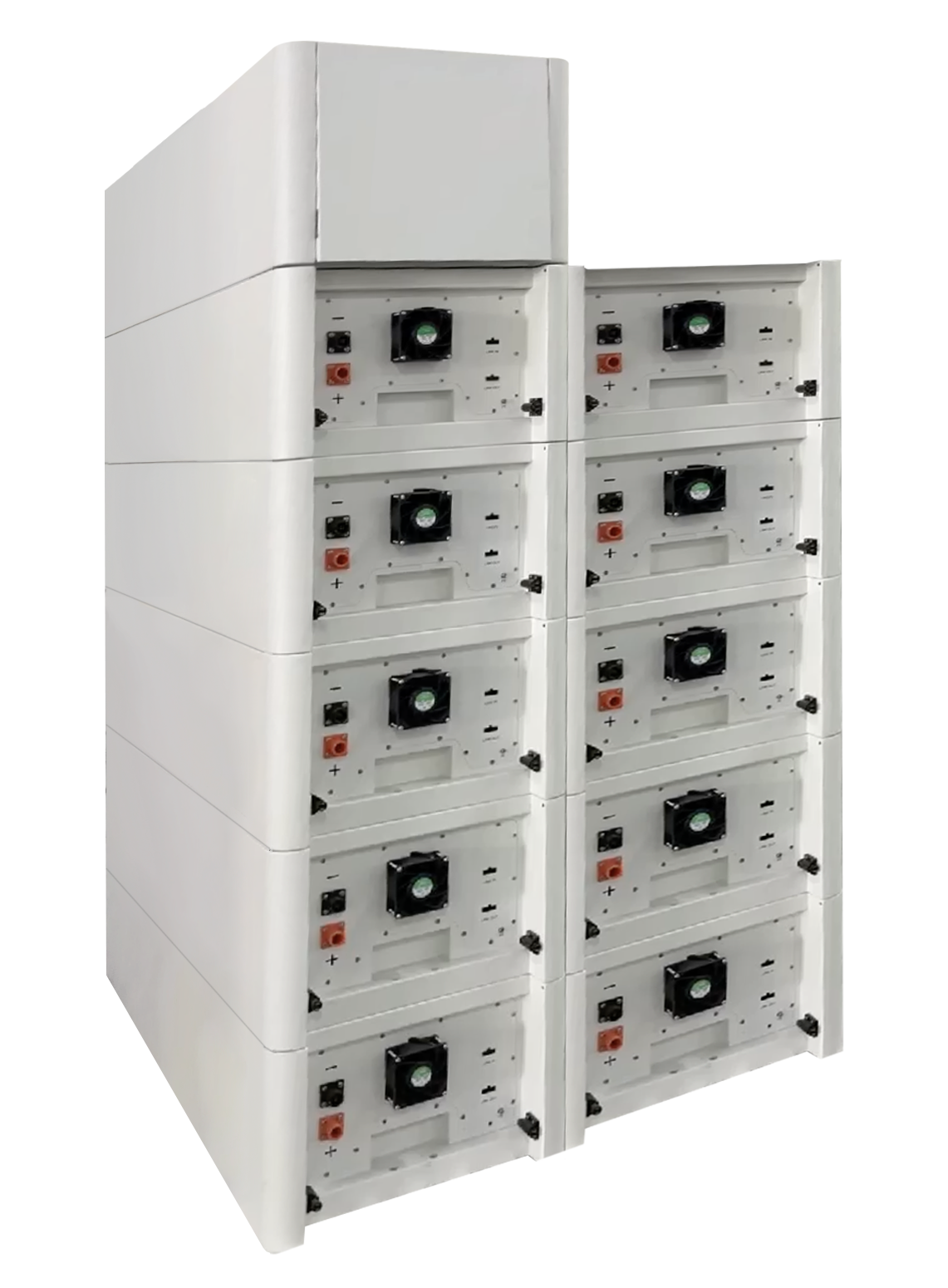
Sodium-ion battery 10kWh stackable
Log in as Installer to see prices. Login
The Heiwit 10 kWh stackable battery is the stackable version of the 10 kWh, 48 V sodium-ion storage module. The cells contain neither lithium nor cobalt. It delivers 5 kW nominal and 6 kW peak. It discharges from −25 °C to +60 °C and charges from 0 °C to +60 °C, in indoor environments. Up to 3 modules can be connected in parallel, for 30 kWh, with Heiwit's Virgo and Lybra hybrid inverters. The warranty is 10 years.
- Capacity: 10 kWh at 48 V (210 Ah). Charges and discharges at up to 5 kW, with a 6 kW peak.
- Temperatures: discharges from −25 to +60 °C, charges from 0 to +60 °C. Indoor installation only, IP20 protection rating.
- Duration: over 6,500 cycles for the 2025–2026 version. Efficiency over 95 per cent.
- Compatibility: works only with Heiwit's Virgo and Lybra hybrid inverters. Up to 3 batteries in parallel, for 30 kWh.
- Cells: sodium-ion, with no lithium or cobalt.
- Warranty: 10 years, with support in Italy.
HEIWIT sodium ion battery: the solution for renewable energy storage
Welcome to the future of energy storage with HEIWIT sodium ion batteries.
HEIWIT aims to revolutionise the renewable energy landscape by introducing sustainable technologies through innovative solutions based on sodium ion batteries.
Efficient and reliable energy storage
HEIWIT sodium-ion batteries are designed to deliver efficient and reliable energy storage. Harnessing the power of sodium ions, these batteries represent a sustainable alternative to traditional lithium-ion batteries. They are ideal for storing electricity from renewable sources such as solar and wind.
Key advantages of HEIWIT sodium ion batteries
- Raw materials: sodium is an abundant element. The cost of storage should be compared per kWh cycled, not on the purchase price alone.
- Long life: over 6,500 cycles for the 2025-2026 version, with layered oxide cells.
- Security and sustainabilitySodium ion batteries are environmentally friendly and present fewer risks during production and disposal.
Multifunctional application
HEIWIT sodium ion batteries are versatile and suitable for a wide range of applications, including residential energy storage, commercial facilities and grid-scale projects. They offer scalability and flexibility to meet customers' changing energy needs.
Choose HEIWIT for sustainable energy solutions
Join the renewable energy revolution with HEIWIT sodium ion batteries. Discover the reliability, efficiency and sustainability of our innovative energy storage solutions. Contact us today to learn more about how HEIWIT is using sodium ion technology to create a better future.
Batteria Heiwit 10 kWh stackable: technical specifications
| Type | Sodium-ion storage module for photovoltaic systems |
|---|---|
| Module capacity | 10 kWh |
| Rated voltage | 48 V |
| Minimum capacity | 210 Ah |
| Maximum charging and discharging power | 5 kW |
| Rated output power | 5 kW |
| Peak output power | 6 kW |
| Maximum charging voltage | 60 V |
| Maximum charging current | 100 A |
| Maximum discharge current | 100 A |
| Recommended discharge depth | 90 per cent |
| Energy efficiency | over 95 per cent |
| Life cycles | over 6,500 (layered oxide cells, 2025–2026 version) |
| Cell technology | Sodium-ion with layered oxide cathode, with no lithium or cobalt |
| BMS | Integrated, connected to the app via the inverter |
| Communication | CAN bus, RS485 |
| Display | Colour LED touchscreen with charge status indicator |
| Scalability | Up to 3 units in parallel (30 kWh) |
| Discharge temperature | from −25 °C to +60 °C |
| Charging temperature | from 0 °C to +60 °C |
| Storage temperature | from −40 °C to +70 °C |
| Relative humidity | from 0 to 100 per cent |
| Installation | Indoors only |
| Degree of protection | IP20 |
| Noise emissions | Imperceptible |
| Certifications | IEC 60730-1:2013+A1+A2 Annex H; IEC 62040-1:2017+A1+A2; IEC 61000-6-1:2019; IEC 61000-6-3:2021; CEI 0-21:2022 with variants V1:2022 and V2:2024. CEI 0-21 certification issued by TÜV SÜD on the basis of type tests on the Virgo inverter + 48210 battery system (document no. D 132944 0003). CEI 0-21 certification issued by TÜV Rheinland on the Lybra inverter + HEIWIT-NA-48V210Ah battery system (certificate no. A3 50741827 0001). CE marking |
| Warranty | 10 years, support in Italy |
Data declared by the manufacturer in the datasheet; the actual parameters are those of the product as delivered.
Batteria Heiwit 10 kWh stackable: frequently asked questions
What’s different from the standard form?
The stackable version can be stacked: the units are mounted on top of one another rather than side by side, whilst maintaining the same capacity (10 kWh), voltage (48 V), power output and cell chemistry. It is designed for installations where floor space is limited.
How many charge cycles does the Heiwit sodium-ion battery last for?
The estimated lifespan is over 6,500 cycles for the 2025–2026 version, which features layered oxide cells. The 2027 version, with a NFPP polyanionic cathode, achieves 9,000 cycles. As at 17 September 2026, the installed fleet of Heiwit batteries had accumulated a total of 31,972 cycles. The warranty is valid for 10 years.
Which inverters is it compatible with?
With Heiwit's hybrid inverters: single-phase Virgo (3K-S, 4K6-S, 6K-S) and three-phase Lybra (6K-T, 10K-T, 12K-T). Inverters from other brands do not support the voltage range of sodium batteries. On an existing system, the Heiwit inverter is connected on the AC line and the solar PV inverter stays in place. Up to 3 batteries can be connected in parallel, for 30 kWh of storage.
Where is it installed?
For indoor use only: the protection rating is IP20. The battery discharges at temperatures ranging from −25 °C to +60 °C and charges at temperatures ranging from 0 °C to +60 °C. The module measures 465 × 268 × 918 mm and weighs less than 116 kg.
Does it contain lithium, cobalt or nickel?
The current battery contains neither lithium nor cobalt: the charge carrier is sodium. The 2027 version, with an NFPP polyanionic cathode, does not contain nickel either.
Is it certified?
Yes. The battery carries the CE marking and complies with IEC 60730-1 Annex H, IEC 62040-1, IEC 61000-6-1 and IEC 61000-6-3. The system comprising the Virgo inverter and battery holds CEI 0-21:2022 certification issued by TÜV SÜD on the basis of type tests (document no. D 132944 0003). The system comprising the Lybra inverter and battery also holds CEI 0-21 certification, issued by TÜV Rheinland (certificate no. A3 50741827 0001).
 Italian
  English
  German
  French
  Spanish
  Polish
  Dutch
Dutch  Romanian
  Hungarian
  Czech
Czech  Swedish
  Portuguese
  Greek
Greek