
AI storage: come l’accumulo con intelligenza artificiale può aumentare gli incassi GSE
Oggi il tema non è solo How much energy does a photovoltaic system produce?, but also when conviene consumarla, accumularla o venderla in rete. Ed è proprio qui che entra in gioco AI-Care, the Heiwit service accumulate with artificial intelligence pensato per gestire l’energia in modo molto più evoluto rispetto a una logica tradizionale.
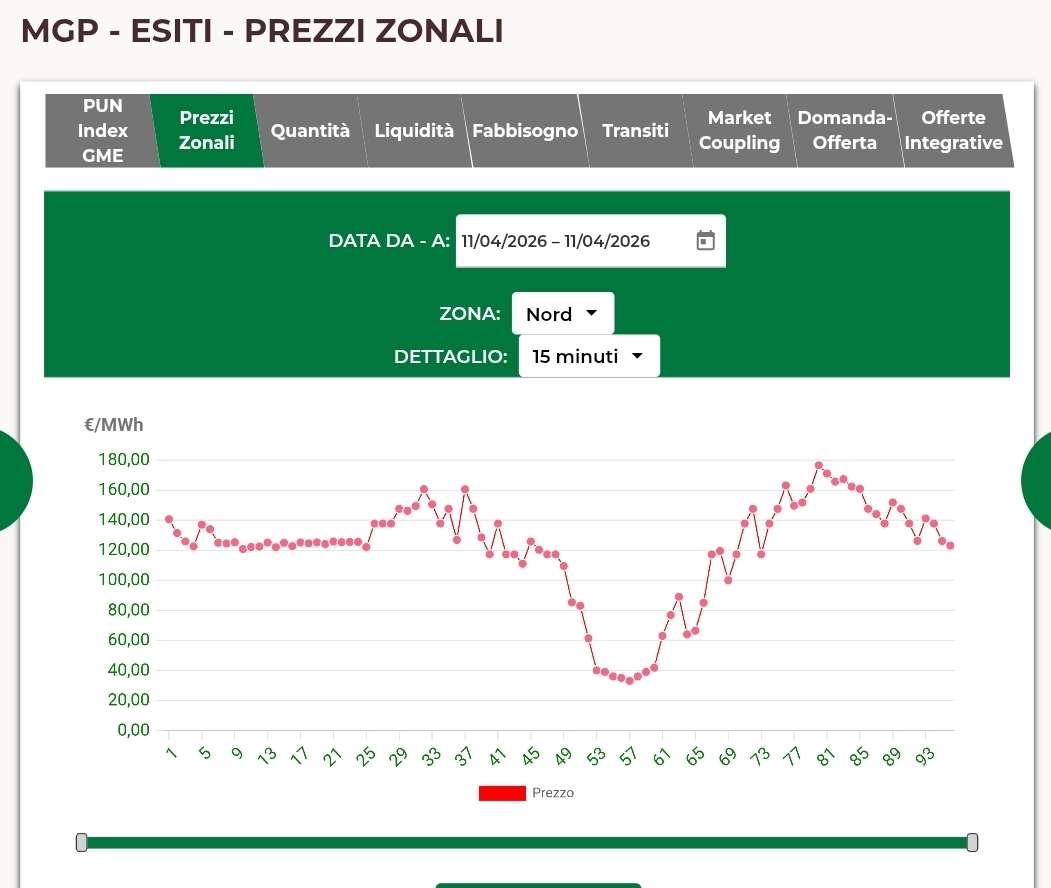
To understand the difference, you just need to look at a real piece of data from Northern Functional Area di oggi: in una fascia centrale della giornata il prezzo è sceso intorno a 30 €/MWh, mentre la sera è salito fino a circa 160 €/MWh. In practice, we're talking about a value above 5 times higher.
In simple terms: vendere la stessa energia in due momenti diversi della giornata può cambiare in modo netto l’incasso riconosciuto. Ecco perché l’AI storage non è un gadget tecnologico, ma uno strumento concreto per migliorare la redditività energetica.
Perché il momento della vendita conta così tanto
Molti impianti fotovoltaici producono il massimo proprio nelle ore in cui il prezzo dell’energia può essere più basso. È il classico paradosso del fotovoltaico: si produce tanto quando tutti producono tanto, e quindi il valore dell’energia si abbassa.
Al contrario, nelle ore serali la richiesta di energia può crescere e il prezzo salire in modo deciso. Se si ha un sistema di accumulo gestito bene, una parte dell’energia prodotta nelle ore “povere” può essere trattenuta e valorizzata nelle ore “ricche”.
Questo è il cuore del concetto di accumulate artificial intelligencenot just to store energy, but to decide when Is it really worth using it or selling it.
What does Heiwit's AI-Care do?
AI-Care è il sistema Heiwit che applica l’intelligenza artificiale alla gestione energetica. In pratica analizza più variabili contemporaneamente, come ad esempio:
- Weather forecasts and expected photovoltaic production;
- abitudini di consumo dell’utenza;
- andamento dei prezzi orari dell’energia;
- stato della batteria e disponibilità di accumulo;
- Self-consumption or grid feed-in strategies.
Il risultato è una gestione dinamica, molto più intelligente di una semplice regola fissa. Non si tratta solo di “caricare quando c’è sole e scaricare quando non c’è”, ma di ottimizzare economicamente l’energia.
Real-world example: how much does it change for an individual?
Let's imagine a family with a photovoltaic system and battery that has 10 kWh of excess energy on a favourable day.
Scenario 1: Immediate sale at noon
Energy price 30 €/MWh = 0,03 €/kWh
Revenue from 10 kWh: 0,30 €
Scenario 2: Evening accumulation and sale
Energy price 160 €/MWh = 0,16 €/kWh
Theoretical collection on 10 kWh: 1,60 €
La differenza è di 1,30 € in un solo giorno on the same 10 kWh.
Anche considerando perdite di sistema e di accumulo, il vantaggio economico resta molto rilevante. Su decine o centinaia di giornate all’anno, la differenza può trasformarsi in un incremento concreto dell’incasso legato all’energia valorizzata.
| Private case | Value |
|---|---|
| Energy to be valued | 10 kWh |
| Vendita a 30 €/MWh | 0,30 € |
| Vendita a 160 €/MWh | 1,60 € |
| Daily difference | +1,30 € |
For a family, this means one very simple thing: It's not enough to produce energy, we need to make good use of it.. Ed è qui che un sistema di AI storage può fare la differenza.
E per una PMI? L’impatto può essere ancora più evidente
Per una piccola o media impresa il potenziale cresce, perché aumentano sia i consumi sia i volumi energetici in gioco.
Let's imagine a small or medium-sized enterprise (SME) with a manageable surplus of 80 kWh on a favourable day.
Vendita immediata a 30 €/MWh
80 kWh × 0,03 €/kWh = 2,40 €
Vendita nelle ore di picco a 160 €/MWh
80 kWh × 0,16 €/kWh = 12,80 €
La differenza teorica giornaliera è pari a 10,40 €.
Su base annuale, anche senza assumere condizioni perfette ogni giorno, il delta economico può diventare interessante. Per una PMI questo approccio non aiuta solo a migliorare l’incasso dell’energia immessa, ma anche a costruire una gestione più efficiente del profilo energetico aziendale.
| SME Case | Value |
|---|---|
| Energy to be valued | 80 kWh |
| Vendita a 30 €/MWh | 2,40 € |
| Vendita a 160 €/MWh | 12,80 € |
| Daily difference | +10,40 € |
Non è solo una questione di batteria, ma di strategia
Molti pensano che basti avere un accumulo per ottenere il massimo. In realtà non è così. Un accumulo tradizionale può immagazzinare energia, ma senza una logica evoluta rischia di usarla nei momenti sbagliati.
Il valore aggiunto dell’accumulate with artificial intelligence è proprio la capacità di prendere decisioni migliori. In certe giornate può convenire massimizzare l’autoconsumo, in altre trattenere energia per le ore più redditizie, in altre ancora preservare la batteria per il fabbisogno serale o mattutino.
In other words, AI-Care trasforma lo storage da semplice “serbatoio” a sistema attivo di ottimizzazione energetica.
Perché AI storage è un tema destinato a crescere
Con la diffusione del fotovoltaico, le oscillazioni di prezzo tra le varie ore della giornata stanno diventando sempre più importanti. Questo rende il tema dell’AI storage a hub for those who want to increase the value of their energy.
For individuals, it means improving the performance of their system.
Per la PMI significa trasformare l’energia in un asset gestito in modo più intelligente.
For both, it means going beyond the traditional concept of batteries.
AI-Care Heiwit: un nuovo modo di gestire l’energia
La vera domanda non è più solo “quanta energia produce il mio impianto?”, ma How much can I value it well.
When on the same day you go from 30 €/MWh a 160 €/MWh, è evidente che il fattore tempo conta. E quando il tempo conta, serve un sistema capace di leggere i dati e prendere decisioni migliori.
È esattamente questo l’obiettivo di AI-Care: portare l’accumulate artificial intelligence dentro la gestione quotidiana dell’energia, per aiutare privati e imprese a ottenere di più dal proprio impianto fotovoltaico.
Produrre energia è importante. Venderla o usarla nel momento giusto può fare ancora più differenza.
Frequently asked questions about AI storage and AI consolidation
Che cos’è l’AI storage?
L’AI storage è una gestione evoluta dell’accumulo energetico basata su algoritmi intelligenti che analizzano produzione, consumi, prezzi e stato della batteria per decidere come usare l’energia nel modo più conveniente.
AI-powered aggregation
Significa che la batteria non viene gestita con regole fisse, ma con una logica dinamica che si adatta ai dati reali della giornata e agli obiettivi economici ed energetici dell’utente.
Does AI-Care only serve private individuals?
No. AI-Care può essere utile sia in ambito residenziale sia per PMI, dove i volumi energetici e le opportunità di ottimizzazione possono essere ancora più interessanti.
Quanto può incidere sull’incasso GSE?
Dipende dal profilo dell’impianto, dalla capacità di accumulo, dai consumi, dalle perdite di sistema e dall’andamento dei prezzi. Ma quando il differenziale tra ore centrali e ore serali è così ampio, la gestione intelligente può incidere in modo concreto.
Nota: gli esempi numerici riportati sopra sono semplificati e servono a mostrare il principio economico. I risultati reali dipendono dal profilo di consumo, dalla batteria, dall’efficienza del sistema, dalle logiche di controllo e dai criteri di valorizzazione applicabili.
L’intelligenza artificiale decide quando caricare e quando scaricare; a fare il lavoro resta l’accumulo, nel nostro caso agli ioni di sodio.
 Italian
  English
  German
  French
  Spanish
  Polish
  Dutch
Dutch  Romanian
  Hungarian
  Czech
Czech  Swedish
  Portuguese
  Greek
Greek