
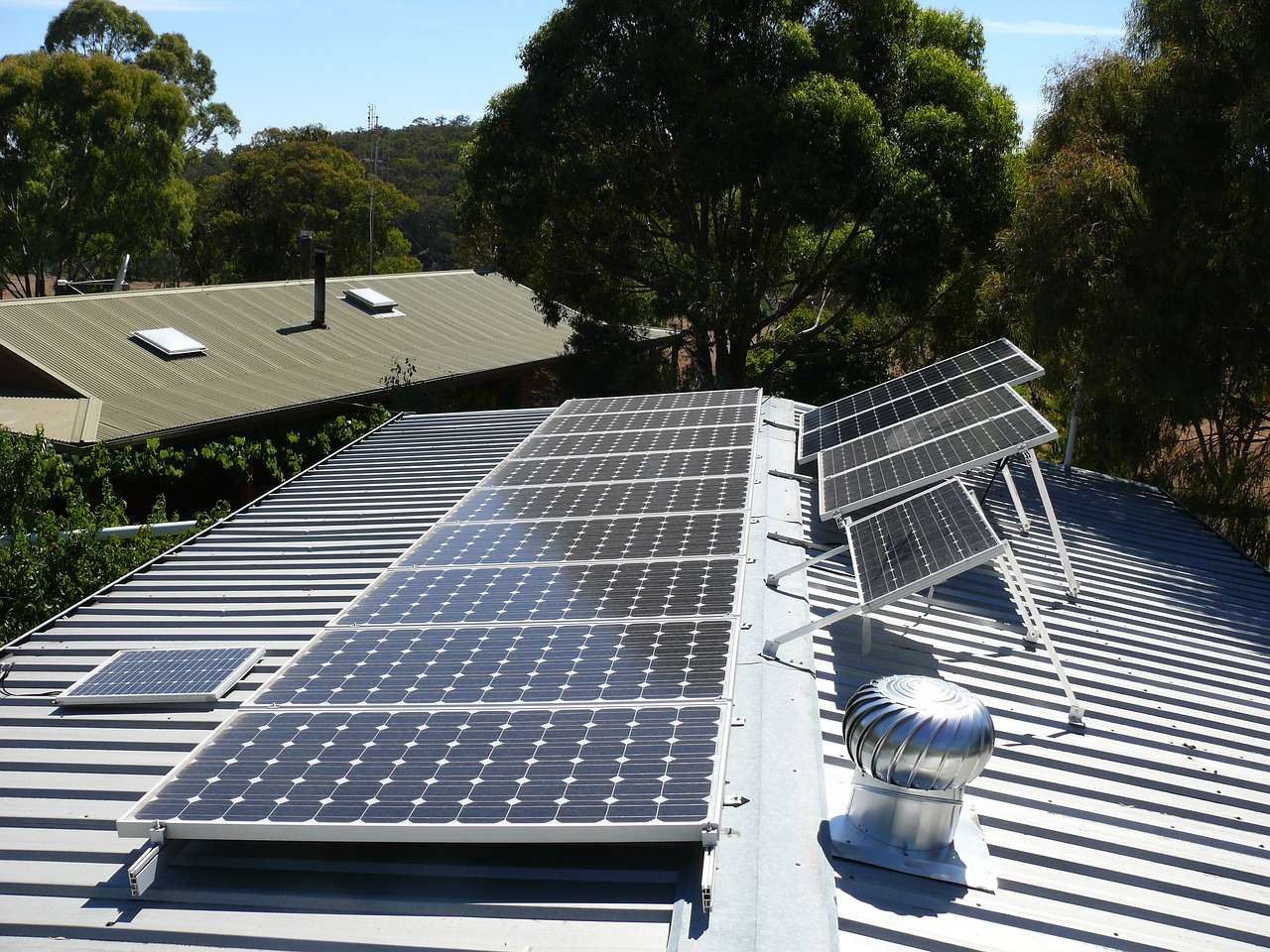
Il Cloud fotovoltaico rappresenta una rivoluzione nel modo in cui le persone possono accedere e beneficiare dell’energia solare. A differenza dei tradizionali impianti fotovoltaici installati direttamente sulle abitazioni o aziende, il Cloud fotovoltaico sfrutta tecnologie avanzate e modelli di business innovativi per rendere l’energia solare accessibile a un pubblico più ampio. Di seguito, esploreremo i principali vantaggi del Cloud fotovoltaico rispetto a un impianto tradizionale, includendo un riferimento ai token Heiwit, un elemento chiave del nostro sistema su heiwit.com.
1. Accessibilità e Inclusività
Traditional Plant: Gli impianti fotovoltaici tradizionali richiedono l’installazione fisica dei pannelli solari sulla proprietà del consumatore. Questo comporta che solo chi possiede una casa con spazio adeguato sul tetto o nel terreno può beneficiare dell’energia solare. Inoltre, i costi iniziali di installazione possono essere proibitivi per molte persone.
Cloud Photovoltaics: Il Cloud fotovoltaico elimina queste barriere. Non è necessario possedere una proprietà idonea o affrontare costi di installazione elevati. Chiunque può acquistare una quota di un impianto fotovoltaico remoto e iniziare a beneficiare immediatamente dell’energia prodotta. Questo modello è inclusivo e permette anche a chi vive in appartamenti o in aree con scarsa esposizione solare di partecipare alla rivoluzione energetica.
2. Initial Costs and Maintenance
Traditional Plant: L’installazione di un impianto fotovoltaico tradizionale richiede un investimento significativo, sia per l’acquisto dei pannelli che per l’installazione. Inoltre, i proprietari devono preoccuparsi della manutenzione e delle eventuali riparazioni nel tempo, aggiungendo ulteriori costi e complessità.
Cloud Photovoltaics: Con il Cloud fotovoltaico, i costi iniziali sono molto più bassi. Gli utenti possono acquistare quote di un impianto senza dover sostenere l’intero costo di installazione. Inoltre, la manutenzione e le riparazioni sono gestite centralmente dal provider del servizio, eliminando questa preoccupazione per gli utenti. Questo rende il Cloud fotovoltaico una soluzione economicamente vantaggiosa e senza pensieri.
3. Scalabilità e Flessibilità
Traditional Plant: Una volta installato un impianto fotovoltaico tradizionale, la sua capacità è fissa. Se i consumi energetici aumentano, è spesso complicato e costoso espandere l’impianto esistente.
Cloud Photovoltaics: Il Cloud fotovoltaico offre una scalabilità senza precedenti. Gli utenti possono facilmente aumentare o diminuire la loro partecipazione in base alle esigenze energetiche. Questa flessibilità permette di adattarsi rapidamente ai cambiamenti nei consumi senza dover affrontare costosi lavori di ampliamento.
4. Efficiency and Performance
Traditional Plant: L’efficienza di un impianto fotovoltaico tradizionale dipende da vari fattori come l’orientamento e l’inclinazione dei pannelli, l’ombreggiatura e la pulizia. Questi fattori possono variare e influenzare negativamente la performance dell’impianto.
Cloud Photovoltaics: Gli impianti fotovoltaici in cloud sono generalmente installati in località ottimali, con condizioni ideali per la massima produzione di energia. Questi impianti sono progettati e gestiti da professionisti, garantendo un’efficienza e una performance superiori rispetto a molti impianti domestici. Inoltre, la produzione di energia è distribuita tra molti utenti, riducendo l’impatto di eventuali inefficienze locali.
5. Sostenibilità e Impatto Ambientale
Traditional Plant: Anche se l’energia solare è pulita, l’installazione di un impianto fotovoltaico tradizionale richiede risorse per la produzione dei pannelli e l’installazione. Inoltre, gli impianti più piccoli possono non essere ottimizzati per la massima efficienza.
Cloud Photovoltaics: Gli impianti in cloud sono spesso più grandi e ottimizzati, riducendo il costo per unità di energia prodotta e minimizzando l’impatto ambientale per kilowattora generato. La centralizzazione della produzione permette anche una gestione più efficiente delle risorse e un minore impatto ambientale complessivo.
I Token Heiwit: Un’Innovazione nel Cloud fotovoltaico
Su heiwit.com, utilizziamo i token Heiwit per facilitare la partecipazione e la remunerazione dei nostri utenti. I token Heiwit rappresentano una quota dell’energia prodotta dall’impianto Cloud fotovoltaico. Ogni possessore di token riceve una parte dei proventi generati dall’energia venduta.
Advantages of Heiwit Tokens:
- Transparency: All transactions and fund distributions are recorded on a public blockchain, ensuring maximum transparency.
- Security: The blockchain protects the rights of token holders, making transactions secure and immutable.
- Liquidità: I token possono essere scambiati facilmente su mercati secondari, offrendo liquidità agli investitori.
- Automatic Remuneration: Grazie agli smart contract, i possessori di token ricevono automaticamente la loro quota dei proventi ogni volta che l’impianto genera reddito, eliminando la necessità di intermediari.
Conclusion
Il Cloud fotovoltaico rappresenta un passo avanti significativo rispetto agli impianti fotovoltaici tradizionali. Offre maggiore accessibilità, riduce i costi iniziali e di manutenzione, e fornisce una flessibilità e una scalabilità superiori. L’adozione dei token Heiwit su heiwit.com aggiunge ulteriori vantaggi, rendendo l’investimento in energia solare più sicuro, trasparente e remunerativo. Questo modello innovativo sta democratizzando l’accesso all’energia solare e contribuendo a un futuro più sostenibile e verde.
Per chi ha un impianto di proprietà il ragionamento cambia, e il tema diventa l’accumulo: la gamma Heiwit agli ioni di sodio parte dal modulo residenziale da 10 kWh.
 Italian
  English
  German
  French
  Spanish
  Polish
  Dutch
Dutch  Romanian
  Hungarian
  Czech
Czech  Swedish
  Portuguese
  Greek
Greek