
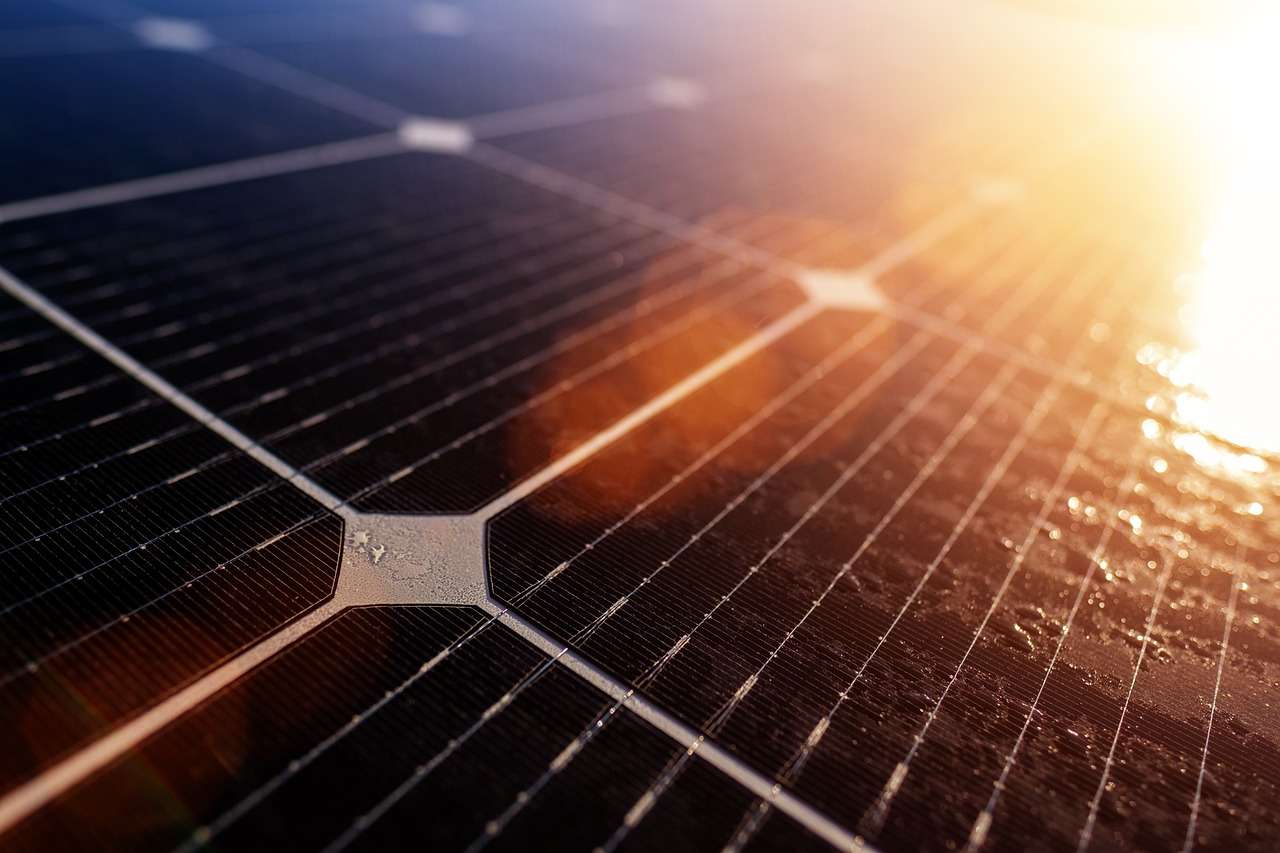
L’installazione di un impianto fotovoltaico sul tetto di casa rappresenta una delle soluzioni più tradizionali per la produzione di energia rinnovabile. Gli impianti fotovoltaici permettono di convertire l’energia solare in elettricità, riducendo la dipendenza dalle fonti fossili e abbattendo i costi della bolletta elettrica.
Tuttavia, ad oggi, è possibile raggiungere obiettivi ambientali e redditizi più performanti, a fronte di un investimento iniziale più contenuto. Hai mai sentito parlare dei nostri Token Heiwit?
In this article, we will look in detail at the differences between these two solutions, with a particular focus on costs, environmental benefits and economic return.
Advantages and Limitations of Traditional Photovoltaic Systems
Un impianto fotovoltaico domestico richiede un investimento iniziale significativo. Ad esempio, un impianto da 4 kW con una batteria da 5kW ha un costo di circa 11.000 euro e un’autoconsumo del 80%. Produce, in 30 anni, circa 124.700 kWh, con un risparmio complessivo di circa 35.303 euro. Questo significa un ritorno netto del 220.94% sull’investimento iniziale. Nonostante questi numeri possano sembrare positivi, l’efficienza dell’impianto dipende da vari fattori, come l’orientamento e l’inclinazione del tetto, la qualità dei pannelli solari e le condizioni meteorologiche. Inoltre, la manutenzione periodica e l’usura dei componenti possono influire negativamente sui costi e sull’efficienza a lungo termine.
The Heiwit Token Revolution
A differenza degli impianti fotovoltaici tradizionali, l’acquisto di token Heiwit consente di investire in grandi impianti fotovoltaici industriali, exploiting economies of scale that a single user could never achieve. Each Heiwit token corresponds to 100 watts of installed power and offers the owner a share in the economic benefits of solar energy production for a period of 30 years.
Using a business model based on a cloud platform, Heiwit tokens allow users to participate in the energy transition without having to physically install a solar system on one's roof. For example, by purchasing an equivalent number of Heiwit tokens at the cost of an 11,000 euro photovoltaic system, one could achieve a production of about 300,628 kWh in 30 years, with a total saving of about 48,109 euro and a net return of 337,36%.
If you want to test other configurations and compare them with the performance of the HEIWIT token, try our online simulator.
Data at hand: Heiwit or photovoltaic system?
Per comprendere appieno la convenienza del sistema HEIWIT rispetto ai tradizionali impianti fotovoltaici installati sul tetto, analizziamo due casi studio specifici. Il primo riguarda un’azienda che ha investito in un impianto fotovoltaico da 6 kW, mentre il secondo caso esamina un impianto domestico di 2 kW.
Un’azienda ha deciso di investire €25.000 in un impianto fotovoltaico da 6 kW, con un autoconsumo stimato del 50%. Nel corso dei 30 anni di vita dell’impianto, si prevede una produzione complessiva di 187.050,80 kWh. Questo è un risultato rispettabile, ma il token HEIWIT, con lo stesso investimento, può generare una produzione energetica significativamente maggiore, pari a 865.975,93 kWh.
L’impianto aziendale contribuisce a risparmiare 99.136,92 kg di CO2, un vantaggio ambientale significativo. Tuttavia, l’equivalente investimento in token HEIWIT permetterebbe di risparmiare ben 458.967,24 kg di CO2, grazie alle economie di scala e all’efficienza delle installazioni industriali.
Nel corso della vita dell’impianto, l’azienda può aspettarsi un risparmio o guadagno totale di €47.958,88. Comparativamente, investendo lo stesso importo in token HEIWIT, l’incasso o risparmio sarebbe di €136.399,52. Questo significa che l’investimento in HEIWIT offre un ritorno economico quasi triplo rispetto all’impianto fotovoltaico aziendale.
L’impianto fotovoltaico aziendale offre un ritorno netto del 91,84%, che, pur essendo positivo, è notevolmente inferiore al 445,60% ottenibile attraverso l’investimento in token HEIWIT.
Ma vediamo il caso di un impianto domestico più piccolo. Il secondo caso studio riguarda un’abitazione privata che ha installato un impianto fotovoltaico da 2 kW, con un costo di €6.000 e un autoconsumo del 20%. Nel corso dei 30 anni di operatività, l’impianto domestico dovrebbe produrre circa 62.350,27 kWh. Tuttavia, un investimento di pari valore in token HEIWIT garantirebbe una total production of 207,834.22 kWh, more than three times higher.
L’impianto domestico contribuirebbe a un risparmio di 33.045,64 kg di CO2, un risultato di tutto rispetto per una piccola installazione. In confronto, l’acquisto di token HEIWIT porterebbe a un risparmio di 110.152,14 kg di CO2, mostrando ancora una volta la maggiore efficienza ambientale della soluzione in cloud.
L’impianto domestico dovrebbe generare un risparmio o guadagno di €12.789,03 nell’arco della sua vita operativa. L’investimento equivalente in token HEIWIT, invece, avrebbe portato a un incasso o risparmio di €32.735,88, più del doppio rispetto all’impianto fotovoltaico tradizionale. Il ritorno netto sull’investimento dell’impianto domestico è del 113,15%, il che è certamente un buon risultato. Tuttavia, è ben lontano dal 445,60% che si otterrebbe investendo in token HEIWIT.
Il Futuro dell’Energia è nei Token Heiwit
I token Heiwit rappresentano una soluzione più conveniente e flessibile rispetto agli impianti fotovoltaici tradizionali. Non solo offrono un rendimento economico superiore, ma they also have a lower environmental impact, contributing significantly to the reduction of CO2 emissions. L’accessibilità dei token Heiwit, unita alla loro capacità di sfruttare economie di scala, li rende una scelta ideale per chiunque desideri partecipare attivamente alla transizione energetica senza le complicazioni legate all’installazione e manutenzione di un impianto solare.
I token Heiwit offrono un ritorno sull’investimento molto più elevato e una maggiore flessibilità, senza compromettere l’efficienza energetica o il rispetto per l’ambiente. Pertanto, per chi cerca una soluzione moderna, sostenibile e altamente redditizia, i token Heiwit sono la scelta ideale per un futuro energetico più sostenibile.
Visita il nostro sito per saperne di più e approfitta della Irpef deduction!
 Italian
  English
  German
  French
  Spanish
  Polish
  Dutch
Dutch  Romanian
  Hungarian
  Czech
Czech  Swedish
  Portuguese
  Greek
Greek