
L’anno 2020 ha segnato una svolta epocale, con sfide senza precedenti che hanno però lasciato spazio a una luce di speranza. Un segnale tangibile di questo cambiamento è giunto poco prima del quinto anniversario dell’Accordo di Parigi, quando il Consiglio europeo ha annunciato un impegno ambizioso per rafforzare gli obiettivi climatici dell’Unione Europea.
Così, nel 2020, l’UE ha dichiarato la sua intenzione di reduce net greenhouse gas emissions by 55% by 2030 (superando così il precedente target del 40%), rispetto ai livelli del 1990. Questo passo avanti riveste un’importanza cruciale, rappresentando il primo incremento degli obiettivi climatici dell’UE dal momento della firma dell’accordo nel lontano 2015.
L’annuncio, strategicamente diffuso in concomitanza con il Climate Ambition Summit dell’11 dicembre, assume un ruolo chiave nella definizione del contributo determinato a livello nazionale (NDC) dell’UE e dei suoi Stati membri. Questo atto simbolizza una accelerazione significativa verso la neutralità climatica entro il 2050, delineando un percorso determinante per la transizione europea verso un futuro sostenibile.
But what are the European targets to be met by 2030? How have they changed the way we live? Where are we in the transition?
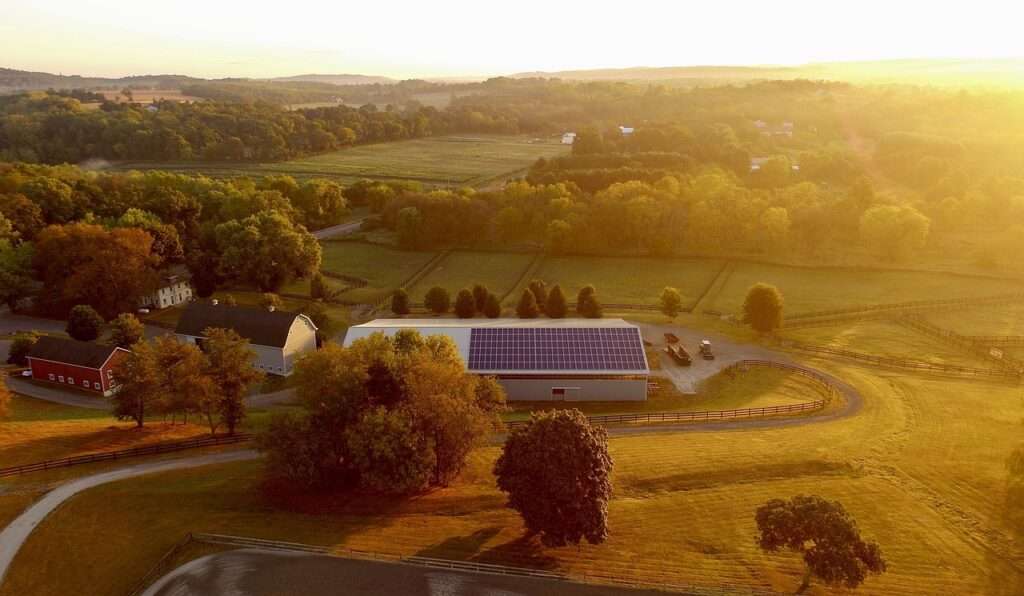
Quali sono gli obiettivi dell’UE per il 2030?
The European proposal to contribute to climate change mitigation is based on six key environmental objectives, each aimed at addressing the crucial challenges facing our planet.
- mitigation of climate change, aiming to reduce greenhouse gas emissions and promote low-carbon solutions
- adaptation to climate change, focuses on climate preparedness and resilience, helping to reduce the risks associated with ongoing impacts
- sustainable use and protection of water and marine resources, mira a preservare e gestire in modo responsabile le risorse idriche e marine, garantendo la loro sostenibilità nel lungo termine
- transizione verso un’economia circolare, si propone di ridurre al minimo lo spreco e promuovere il riciclo, sostenendo un modello economico che riduca l’impatto ambientale.
- prevenzione dell’inquinamento e controllo, sforzandosi di limitare l’impatto negativo delle attività umane sull’ambiente, attraverso pratiche che minimizzino l’inquinamento
- protezione e ripristino della biodiversità e degli ecosistemi, si concentra sulla conservazione della diversità biologica e sulla rigenerazione degli ecosistemi, promuovendo un equilibrio sostenibile tra l’uomo e la natura.
Il ruolo dell’Italia per gli obiettivi climatici Europa 2030
L’Italia sta svolgendo un ruolo di rilievo nel perseguire gli ambiziosi obiettivi climatici stabiliti dall’Unione Europea per il 2030, con il Piano Nazionale Integrato per l’Energia e il Clima 2030 a fungere da fondamentale strumento di guida. Questo piano segna l’inizio di una significativa trasformazione nella politica energetica e ambientale italiana, concentrata sulla decarbonizzazione e sull’efficienza energetica, nonché sullo sviluppo di un mercato interno dell’energia e sull’innovazione.
Articolato in cinque linee d’intervento integrate, il piano mira a garantire la sostenibilità ambientale, sociale ed economica del territorio nazionale durante questa transizione cruciale. Il percorso per raggiungere questi obiettivi è il risultato di un processo complesso e collaborativo.
- Decarbonisation
- Energy efficiency
- Energy security
- Internal Market
- Ricerca, innovazione e competitività
Queste cinque linee di intervento mirano a ridurre drasticamente le emissioni di gas serra, principalmente di anidride carbonica, attraverso l’adozione di fonti energetiche a basse emissioni e la promozione di tecnologie a impatto ambientale limitato. Diventare un paese più efficiente energeticamente significa massimizzare l’uso dell’energia riducendo le dispersioni, migliorando i processi produttivi e implementando soluzioni tecnologiche avanzate, con l’obiettivo di ottimizzare le risorse disponibili.
L’obiettivo italiano è individuare e installare sistemi che garantiscano una fornitura affidabile e resiliente di energia, riducendo la dipendenza da fonti esterne e migliorando la gestione delle risorse nazionali. Ne risulta quindi un sistema flessibile e competitivo, che incoraggia la liberalizzazione e la concorrenza per promuovere l’efficienza e ridurre i costi. L’unico modo per fare tutto questo è investire in soluzioni tecnologiche all’avanguardia, stimolare l’innovazione nel settore energetico e migliorare la competitività delle imprese nazionali.
Are we meeting the Europe 2030 climate targets?
L’adesione agli ambiziosi obiettivi climatici dell’Europa entro il 2030 implica una trasformazione radicale della società, coinvolgendo ogni settore economico. Settori chiave, come l’energia, stanno accelerando l’abbandono del carbone e l’adozione massiccia di energie rinnovabili, mentre il trasporto si orienta verso la graduale eliminazione dei motori a combustione interna. Il miglioramento della qualità della vita dei cittadini è intrinseco a questo cambiamento, con progetti di ristrutturazione edilizia che promettono una rivoluzione nel benessere ambientale.
L’agricoltura, il commercio e la silvicoltura svolgeranno ruoli cruciali in questa transizione. Il beneficio per la società risiede nella promozione di una salute migliore e di un ambiente più sano, con una netta riduzione dell’inquinamento e aria più pulita. L’implementazione di tecnologie verdi non solo contribuirà a un futuro sostenibile ma creerà anche nuovi posti di lavoro e supporterà l’industria.
La Banca europea per gli investimenti indica che la maggioranza degli europei riconosce l’emergenza climatica come parte integrante della ripresa economica, evidenziando la necessità di una crescita resiliente al clima. La recente coalizione di sostenitori dell’aumento dell’obiettivo climatico, composta da aziende, enti locali, organizzazioni della società civile e voci giovanili, riflette un ampio consenso sulla direzione da intraprendere per garantire un futuro sostenibile.
Data on climate change in Europe
But are these efforts paying off? Attualmente, il raggiungimento degli obiettivi climatici dell’Europa entro il 2030 presenta sfide significative. Gli obiettivi del 2020 sono stati in gran parte raggiunti, tuttavia, fattori esterni come la crisi finanziaria del 2009 e la pandemia da Covid-19 del 2020 hanno influito sulle fluttuazioni del Pil, contribuendo al successo. Per quanto concerne il 2030, la Corte dei Conti europea segnala pochi segnali di probabile successo, indicando che il cammino verso gli obiettivi è ancora impervio.
I consumi sono stati contratti del 20% per più di sette Stati Europei e la tendenza è in via di miglioramento. Negli ultimi 20 anni le emissioni di gas serra in rapporto al PIL nell’Unione Europea sono scese da oltre 400 chilotonnellate per milione di euro nel 2000 a 245 nel 2021. Tuttavia, si notano anche incrementi di emissioni per quanto concerne il trasporto marittimo e aereo.
Raggiungere gli obiettivi per il 2030 richiederà ingenti investimenti, con l’Unione europea che stanzierà il 30% del proprio bilancio tra il 2021 e il 2027 per azioni climatiche. Tuttavia, per raggiungere la neutralità climatica, saranno necessari circa 1.000 miliardi di euro all’anno, con la sfida di coinvolgere finanziamenti privati e nazionali. Per l’Italia, si stima che serviranno 183 miliardi di euro aggiuntivi, sollevando la questione della trasparenza nell’impiego di tali risorse.
Heiwit's contribution to achieving the Europe 2030 Climate Goals
In un’epoca in cui l’urgenza di decarbonizzare l’energia è al centro delle preoccupazioni globali, la nostra azienda, Heiwit, si impegna attivamente nella trasformazione del settore energetico. Attraverso l’installazione di impianti fotovoltaici su tetti aziendali, guida la transizione energetica offrendo soluzioni innovative e sostenibili.
We focus on a philosophy of energy self-sufficiency, without dependence on government incentives, and aim to produce energy at a lower cost than traditional fossil-based plants. Aligned with the European targets of the Climate Energy Directive 2030, we aim to achieve 100% energy production from renewable sources.
La nostra missione va oltre l’offerta di soluzioni sostenibili per aziende e consumatori privati; si tratta di contribuire attivamente alla creazione di un ambiente più pulito e sostenibile. Per le aziende energivore, offriamo una formula che esclude investimenti iniziali, garantendo benefici immediati dalla produzione di energia green. Per i consumatori privati, proponiamo soluzioni su misura, consentendo a chiunque di partecipare alla rivoluzione energetica.
Inoltre, per gli investitori qualificati, rappresentiamo un’opportunità di sostenibilità finanziaria e ambientale. Costantemente alla ricerca di capitali per nuovi impianti di produzione di energia rinnovabile, we invite everyone to join us, support the energy transition and achieve profitable returns while contributing to the preservation of our planet. Il nostro invito è a far parte attiva della rivoluzione energetica, unendosi a un futuro net-zero e supportando il boom globale del fotovoltaico.
 Italian
  English
  German
  French
  Spanish
  Polish
  Dutch
Dutch  Romanian
  Hungarian
  Czech
Czech  Swedish
  Portuguese
  Greek
Greek