
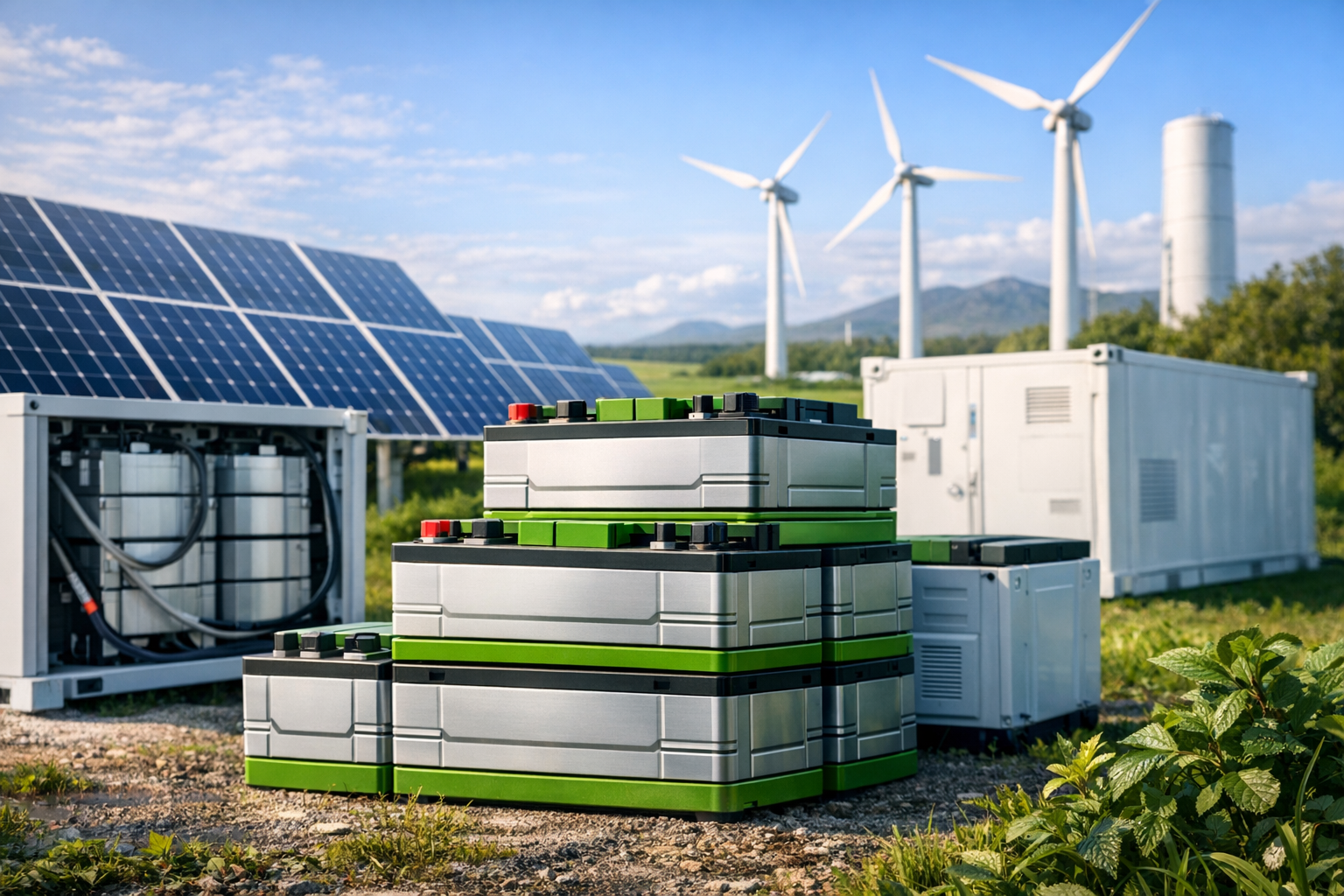
La scelta che fai in cantina: non è solo una batteria
Quando installi un sistema di accumulo per il fotovoltaico, l’oggetto che finisce in garage o in locale tecnico sembra “solo” un componente dell’impianto. In realtà è una decisione che tocca raw materials, supply chains, environmental impacts e – spesso – anche la stabilità dei prezzi nel tempo.
Negli ultimi anni si è aperta una strada alternativa: le batterie agli ioni di sodio. E non è una sfumatura tecnologica: è un cambio di paradigma che rende sempre più concrete le lithium-free batteries per l’accumulo domestico e professionale, con filiere potenzialmente più vicine e meno esposte a shock globali.
- Performance: contano, ma non sono l’unico parametro.
- Origin of materials: determina impatti sociali e ambientali “a monte”.
- Geopolitical risk: può riflettersi sul prezzo finale e sui tempi di consegna.
- End of life: influenza costi e semplicità del riciclo.
Il lato “invisibile” del litio: acqua, territorio e prezzo
Il litio è diventato il simbolo della transizione energetica, ma la sua disponibilità reale non dipende solo da quante riserve esistono: dipende da where they are, how much energy it takes to extract it and how much water some processes require.
Concentration of supply: when the market shrinks
Una quota importante della produzione e della raffinazione è concentrata in poche aree del mondo. Questo rende l’intera filiera più sensibile a eventi politici, commerciali e logistici.
- Risk of bottleneck in refining.
- Greater exposure to duties and export restrictions.
- Possible delays on supplies in case of peak demand.
Water: the critical point in arid areas
In alcuni contesti, soprattutto dove si lavora su salamoie in zone secche, la gestione idrica è l’argomento più delicato. In scenari realistici, per ottenere una tonnellata di composto utilizzabile industrialmente si possono muovere millions of litres between evaporation, pumping and replenishment, with pressures on local resources.
- Competition between industrial uses and bisogni delle comunità.
- Stress on fragile ecosystems (desert and salt areas).
- Indirect footprint linked to energy and transport.
Cobalto e terre rare: due parole che pesano più dei watt
Se il litio è un tema ambientale e geopolitico, il cobalto è spesso una questione anche ethics. E le terre rare, pur non essendo “rare” in senso assoluto, portano con sé criticità industriali e di controllo della produzione.
Cobalto: quando la tracciabilità non basta
Una parte significativa del cobalto mondiale arriva da aree dove la filiera può essere opaca. Anche con audit, certificazioni e programmi di tracciabilità, garantire una separazione netta tra catene “pulite” e problematiche resta complesso, soprattutto quando entrano in gioco miniere artigianali e passaggi intermedi.
- Risk of working conditions inadequate.
- Difficoltà di control all along the chain.
- Instabilità che può tradursi in variabilità di costo.
Terre rare: problema industriale più che geologico
Il nodo non è solo quanto materiale esista, ma who refines it and with what impacts. Separation processes can generate residues that are complex to handle and require a lot of energy.
- High degree of concentration delle capacità di raffinazione.
- Residues potentially pollutants if not treated properly.
- Technology dependence on components and catalysts.
Perché il sodio sta convincendo industria e famiglie
Il sodio non è “nuovo” in chimica, ma è nuovo il fatto che oggi diventi una soluzione credibile per l’accumulo: la sua forza sta nella semplicità della materia prima e nella possibilità di costruire celle senza alcuni materiali critici.
Un elemento comune, distribuito, poco “speculabile”
Il sodio è estremamente abbondante e facile da reperire a livello globale. È presente nel sale e in depositi diffusi: questo riduce la probabilità che pochi attori possano condizionare l’intero mercato.
- Disponibilità ampia in all continents.
- Major stabilità of raw material costs.
- Less exposure to geopolitical shocks.
Dentro una batteria al sodio moderna: materiali più “tranquilli”
Le architetture più interessanti oggi puntano su componenti diffusi e più gestibili a fine vita. In molte implementazioni industriali troviamo approcci che evitano cobalto, nichel e terre rare, con scelte mirate su catodo e anodo.
- Cathode: ossidi stratificati (layered) basati su metalli più comuni.
- Anode: hard carbons obtained from biomass or vegetable waste, with circular economy logic.
- Electrolyte: sali di sodio in soluzione, senza materiali “esotici”.
- CollectorsExtensive use of aluminium, which is recyclable and well known industrially.
Impatto ambientale: non solo CO2, ma anche acqua e biodiversità
Guardare solo la CO2 è come giudicare un’auto dal colore. Le batterie vanno lette con più indicatori: carbon footprint, impronta idrica, impatto sul territorio e riciclabilità reale.
Carbon footprint: close values, differences in context
Diverse analisi indipendenti collocano le batterie al sodio in un ordine di grandezza comparabile ad alcune chimiche al litio prive di cobalto, con impronte che possono stare – a seconda di fabbrica e mix energetico – in un range di circa 60–90 kg CO2-eq per kWh di capacità. Il punto è che la CO2 non racconta tutto: due batterie con numeri simili possono avere impatti molto diversi su acqua e territorio.
- CO2 depends very much on energy used in production.
- Transport and refining weigh non-linearly.
- La localizzazione della filiera può abbassare l’impronta logistica.
Acqua e territorio: l’indicatore che sta salendo in agenda
In un’Europa che alterna siccità e piogge estreme, l’impronta idrica diventa un parametro “politico” oltre che ambientale. Per il sodio, l’approvvigionamento può essere meno stressante in termini di acqua dolce rispetto a filiere che dipendono da aree aride.
- Less pressure on reservoirs vulnerable.
- Processi potenzialmente più compatibili con European industrial areas.
- Reduction of conflicts between industrial and agricultural uses.
Fine vita: riciclabilità che deve funzionare anche economicamente
Molti materiali si possono riciclare “in teoria”; la differenza la fa il fatto che convenga farlo “in pratica”. Chimiche senza metalli critici possono semplificare alcuni passaggi e rendere più lineare la valorizzazione dei recuperati.
- Meno complessità nel trattamento di componenti critici.
- Processi potenzialmente più standardisable.
- Maggiore probabilità di filiere locali di recupero.
Caso studio: una famiglia con fotovoltaico che vuole coerenza (e prevedibilità)
Imagine a family in the province installing a PV system from 6 kW and assesses an accumulation between 8 and 12 kWh. L’obiettivo non è solo aumentare l’autoconsumo, ma evitare sorprese: né in bolletta, né nei valori che hanno motivato l’investimento.
Practical example: what changes in the decision
Nel confronto tra soluzioni, la famiglia mette sul piatto domande molto concrete: “Da dove arrivano i materiali?”, “Quanto può oscillare il prezzo tra preventivo e consegna?”, “Che succede tra 10–12 anni?”. Qui le chimiche al sodio entrano in gioco soprattutto per la parte “invisibile” della tecnologia.
- Environmental coherence: ridurre l’impatto non solo in uso, ma anche a monte.
- Chain: preferenza per catene più corte e tracciabili quando disponibili.
- Stabilitàless exposure to speculative spikes on critical materials.
- End of life: aspettativa di riciclo più semplice e gestibile.
La sostenibilità che torna anche nei conti: prezzi, rischio e produzione vicina
La transizione non può poggiare su filiere fragili. Se una tecnologia riduce materiali critici e dipendenze, non sta facendo solo un discorso etico: sta riducendo anche il rischio economico.
Prezzi più prevedibili: quando la materia prima non è un collo di bottiglia
Negli ultimi anni abbiamo visto oscillazioni molto ampie su diverse commodity legate alle batterie. In alcuni periodi, variazioni nell’ordine di 2–3 volte in tempi relativamente brevi hanno reso difficile pianificare acquisti e produzione. Materie prime più comuni aiutano a smorzare queste onde.
- Minore probabilità di shock improvvisi su componenti chiave.
- Preventivi più stabili per installatori e clienti finali.
- Maggiore continuità nelle forniture.
Resilienza industriale: diversificare non è uno slogan
Ridurre la dipendenza da pochi Paesi per estrazione e raffinazione significa avere più opzioni, più concorrenza e meno vulnerabilità. Non è autarchia: è resilienza.
- Più spazio a filiere European and regional.
- Maggiore capacità di risposta in caso di crisi logistiche.
- Innovazione più rapida quando la produzione è vicina a R&D e mercato.
In sintesi: l’accumulo del futuro potrebbe essere quello più semplice
Le batterie al sodio stanno guadagnando attenzione perché riducono l’uso di materiali critici e spostano l’innovazione su componenti più abbondanti e gestibili. Per chi sceglie il fotovoltaico con un’idea di sostenibilità completa, l’accumulo non è un accessorio: è il cuore del sistema.
- Fewer critical materialsno cobalt and, in many solutions, no nickel or rare earths.
- Filiere potenzialmente più stabili: minor rischio di volatilità estrema.
- Impatto idrico più gestibile: tema sempre più centrale.
- Riciclo più lineare: quando la chimica è meno “complicata”, spesso lo è anche il fine vita.
Se il ragionamento sulla filiera ti convince, il passo successivo è capire com’è fatta davvero una batteria agli ioni di sodio per l’accumulo domestico e cosa comporta scegliere le batterie al sale rispetto al litio.
 Italian
  English
  German
  French
  Spanish
  Polish
  Dutch
Dutch  Romanian
  Hungarian
  Czech
Czech  Swedish
  Portuguese
  Greek
Greek