
Nel contesto economico odierno, le aziende sono chiamate a rispondere a sfide che vanno ben oltre il semplice profitto. L’attenzione alla sostenibilità, all’impatto sociale e alla buona governance ha portato alla nascita e alla crescente importanza degli indicatori ESG (Environmental, Social, Governance). Un buon punteggio ESG è diventato non solo un simbolo di responsabilità aziendale, ma anche un fattore determinante per attrarre investitori e garantire una crescita sostenibile nel lungo periodo.
Tra le soluzioni innovative per migliorare lo score ESG, il Cloud fotovoltaico emerge come una delle più efficaci, offrendo alle aziende la possibilità di ridurre la propria impronta di carbonio e di investire in energia rinnovabile, senza dover gestire direttamente impianti fisici. In questo articolo, analizzeremo come il Cloud fotovoltaico possa aiutare le aziende a migliorare il loro score ESG e perché questo sia diventato un aspetto cruciale per il successo aziendale.
Cosa Sono gli Indicatori ESG e Perché Sono Importanti?
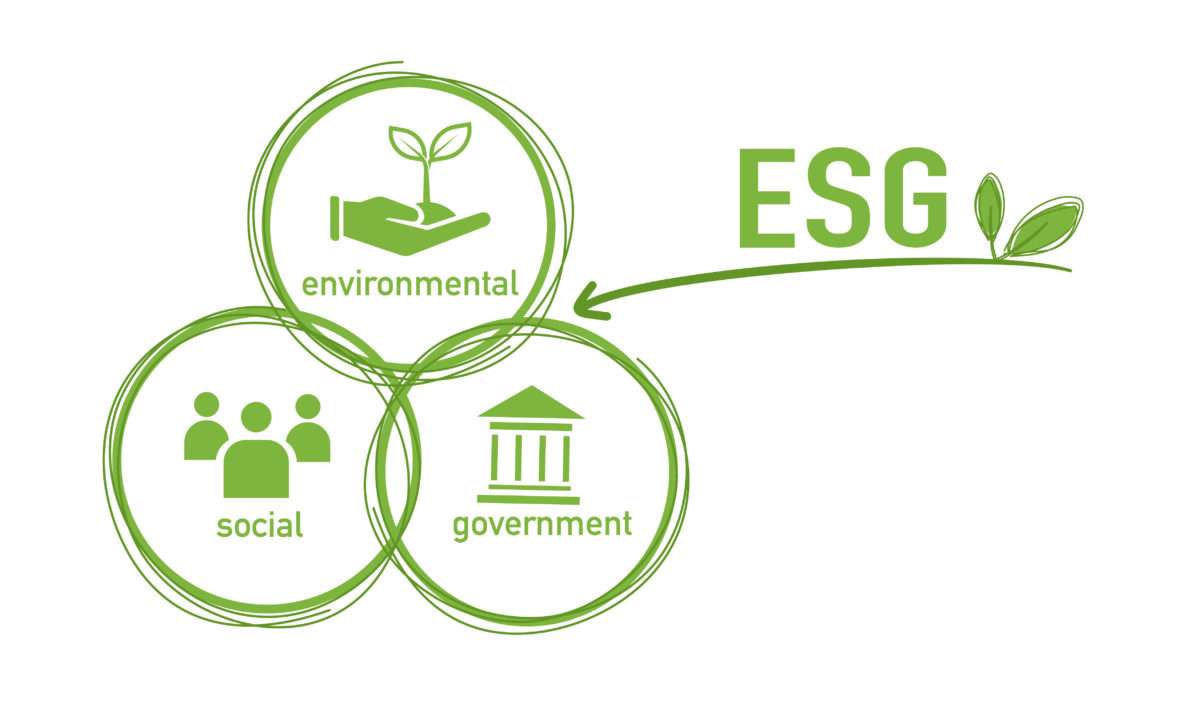
Gli indicatori ESG valutano le prestazioni di un’azienda in tre aree fondamentali:
- Environmental: Misura l’impatto dell’azienda sull’ambiente, considerando fattori come le emissioni di CO2, il consumo di risorse naturali, e la gestione dei rifiuti.
- Social: Valuta il contributo dell’azienda al benessere della società, compresi il trattamento dei dipendenti, l’inclusione e l’impatto positivo sulle comunità locali.
- Governance: Riguarda la trasparenza e l’etica nella gestione dell’azienda, comprese le pratiche di leadership, la diversità del consiglio di amministrazione e la gestione dei rischi.
Un buon score ESG rappresenta un segnale positivo per gli investitori, che vedono nell’azienda un soggetto capace di adattarsi ai cambiamenti sociali e ambientali e di ridurre i rischi associati alle proprie attività. Inoltre, le aziende con un elevato punteggio ESG hanno maggiori probabilità di accedere a finanziamenti agevolati e di attrarre nuovi clienti, sempre più sensibili ai temi della sostenibilità.
The Role of Cloud PV in ESG Score Improvement
Il Cloud fotovoltaico rappresenta una soluzione innovativa per le aziende che vogliono migliorare il proprio impatto ambientale senza dover gestire direttamente impianti fotovoltaici fisici. Questo modello permette di acquistare porzioni di impianti fotovoltaici a distanza e di beneficiare dell’energia prodotta come se fosse generata direttamente dai propri impianti. Ecco come il Cloud fotovoltaico può influire positivamente su ciascuno dei tre ambiti ESG:
1. Miglioramento dell’Impatto Ambientale
Reducing CO2 Emissions: Scegliendo il Cloud fotovoltaico, le aziende possono alimentare le proprie attività con energia rinnovabile prodotta da impianti fotovoltaici dedicati. Questo si traduce in una riduzione diretta delle emissioni di CO2, contribuendo a migliorare lo score nella componente ambientale dell’ESG.
Contributing to the Energy Transition: Partecipando a progetti di Cloud fotovoltaico, le aziende supportano lo sviluppo di nuove infrastrutture per l’energia pulita, contribuendo alla transizione energetica a livello nazionale e globale. Questo dimostra un impegno concreto verso la sostenibilità e l’uso di risorse rinnovabili, elemento chiave per ottenere un alto punteggio ESG.
Reducing Energy Costs and Grid Dependence: Il Cloud fotovoltaico consente alle aziende di beneficiare di energia a prezzi competitivi, riducendo i costi operativi e la dipendenza dalle fluttuazioni dei prezzi dell’energia tradizionale. Questo non solo migliora l’impatto ambientale, ma può anche ottimizzare la gestione economica, con effetti positivi sulla sostenibilità finanziaria dell’azienda.
2. Positive Social Impact
Improving Corporate Reputation: Investire in energie rinnovabili attraverso il Cloud fotovoltaico aiuta a migliorare la percezione dell’azienda da parte dei clienti, dei dipendenti e della comunità locale. Questo è particolarmente importante in un’epoca in cui i consumatori e i dipendenti prestano sempre maggiore attenzione all’impegno ambientale delle imprese.
Employee Education and Awareness: Implementare progetti di Cloud fotovoltaico può essere l’occasione per sensibilizzare i dipendenti sui temi della sostenibilità e dell’energia rinnovabile, creando una cultura aziendale più consapevole e responsabile.
Supporto alle Comunità Locali: Partecipare a progetti di energia rinnovabile può portare benefici anche alle comunità locali. Per esempio, le aziende che investono in Cloud fotovoltaico possono contribuire a ridurre l’impatto ambientale nella regione in cui operano, migliorando le condizioni ambientali per tutti i residenti.
3. Governance and Transparency
Adherence to Standards and Regulations: Le aziende che scelgono il Cloud fotovoltaico dimostrano di seguire le migliori pratiche in termini di sostenibilità e di rispettare le normative ambientali. Questo può essere un fattore determinante per migliorare la componente di governance nello score ESG, mostrando una gestione responsabile delle proprie operazioni.
Trasparenza nella Comunicazione degli Obiettivi di Sostenibilità: Il Cloud fotovoltaico permette alle aziende di quantificare in modo preciso la quantità di energia pulita acquistata e l’impatto in termini di riduzione delle emissioni. Questi dati possono essere utilizzati per comunicare in modo trasparente ai propri stakeholder i progressi fatti verso gli obiettivi di sostenibilità.
Efficient Energy Risk Management: Ridurre la dipendenza da fonti di energia fossile e adottare una strategia basata sull’energia rinnovabile aiuta le aziende a mitigare i rischi legati alle fluttuazioni dei prezzi energetici e ai cambiamenti normativi, migliorando così la stabilità operativa e la governance aziendale.
Perché è Importante Avere un Buon Score ESG?
Un buon punteggio ESG non è solo una questione di responsabilità sociale e ambientale, ma rappresenta un vero e proprio vantaggio competitivo. Ecco alcune delle ragioni per cui le aziende dovrebbero mirare a migliorare il proprio score ESG:
- Access to Facilitated Financing: Gli investitori e le banche sono sempre più orientati a premiare le aziende con buoni punteggi ESG, offrendo condizioni di finanziamento vantaggiose per chi dimostra un impegno concreto verso la sostenibilità.
- Attracting Investors: Le grandi aziende e le PMI con un alto rating ESG risultano più attraenti per gli investitori istituzionali, che vedono nella sostenibilità un indicatore di solidità e di capacità di adattamento ai cambiamenti futuri.
- Improving Reputation: I consumatori e i partner commerciali preferiscono sempre più aziende che dimostrano un impegno verso la sostenibilità. Un buon score ESG rafforza la fiducia dei clienti e crea un’immagine positiva sul mercato.
- Risk Management: Le aziende che puntano sulla sostenibilità sono meglio preparate a gestire i rischi legati ai cambiamenti climatici, alle normative ambientali e alla transizione verso un’economia a basse emissioni di carbonio.
Conclusion: Photovoltaic Cloud as a Tool for the Future
In un contesto in cui la sostenibilità è diventata una priorità, il Cloud fotovoltaico rappresenta un’opportunità concreta per migliorare lo score ESG di aziende di ogni dimensione. Attraverso questa soluzione, le grandi aziende e le PMI possono ridurre l’impatto ambientale, migliorare la reputazione e attrarre nuovi investitori, tutto senza dover gestire direttamente un impianto fotovoltaico.
Se la tua azienda vuole fare un passo avanti verso un futuro sostenibile, considera il Cloud fotovoltaico come una soluzione semplice e accessibile. Scopri di più su come il Cloud fotovoltaico può aiutarti a migliorare il tuo score ESG su heiwit.com.
Nella componente ambientale di uno score ESG pesa anche la filiera dei materiali: l’accumulo a ioni di sodio si appoggia a un elemento diffuso, non classificato fra le materie prime critiche.
 Italian
  English
  German
  French
  Spanish
  Polish
  Dutch
Dutch  Romanian
  Hungarian
  Czech
Czech  Swedish
  Portuguese
  Greek
Greek