
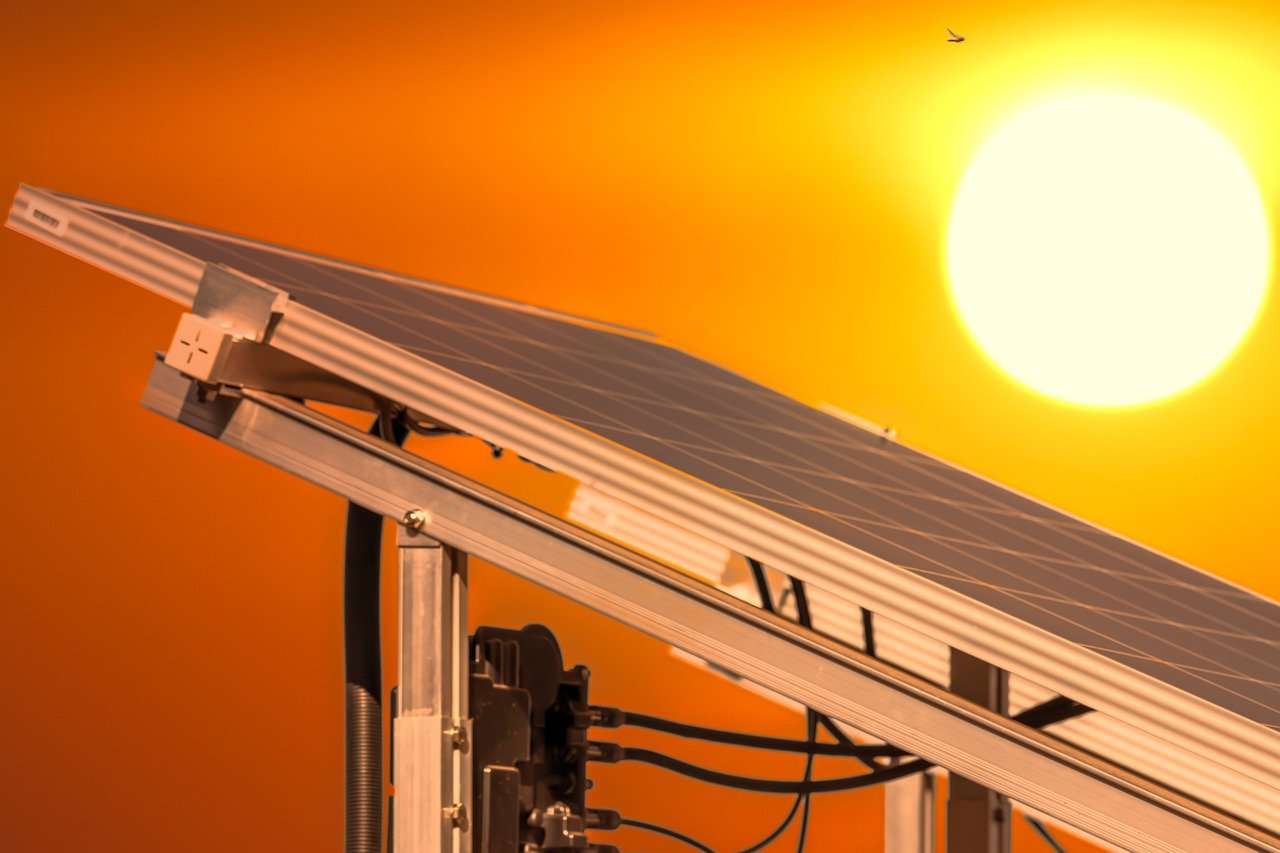
L’energia solare è oggi una strategia di lungo termine che promette tangible benefits for companies worldwide. Con l’aumento delle preoccupazioni ambientali, l’oscillazione dei prezzi energetici e la crescente pressione per l’adozione di pratiche aziendali sostenibili, l’investimento in impianti fotovoltaici rappresenta una scelta strategica e intelligente.
Ecco perché abbiamo deciso di raccontarti i cinque motivi chiave per cui ogni azienda dovrebbe considerare seriamente l’adozione dell’energia solare, evidenziando non solo i benefici economici e ambientali ma anche le innovazioni tecnologiche che rendono questa scelta sempre più vantaggiosa.
Perché l’Energia Solare è una Scelta Strategica per le Aziende
L’energia solare sta vivendo una vera e propria rivoluzione, con un crescente numero di aziende che riconoscono il suo valore non solo come fonte di energia rinnovabile ma come pilastro strategico della loro operatività. Secondo il rapporto di BloombergNEF, la capacità solare globale è cresciuta di oltre il 20% nel 2023, con un investimento di circa 200 miliardi di dollari solo nell’energia solare fotovoltaica.
Le aziende hanno tradizionalmente affrontato bollette energetiche crescenti e imprevedibili, ma un impianto fotovoltaico può offrire una soluzione a lungo termine. Il costo dell’energia solare è diminuito drasticamente negli ultimi anni grazie ai progressi tecnologici e alla produzione su larga scala, con il costo per watt che è sceso di circa il 90% rispetto ai livelli di 10 anni fa.
Secondo l’International Energy Agency (IEA), l’energia solare è destinata a diventare la principale fonte di energia rinnovabile entro il 2050, contribuendo a ridurre le emissioni di CO2 globali di circa 4,8 miliardi di tonnellate all’anno. In questo contesto, investire in solare non è solo una questione di vantaggio economico ma anche di conformità alle aspettative globali e locali in materia di sostenibilità.
Riduzione dei Costi Energetici e Maggiore Prevedibilità
Dopo l’installazione di un impianto fotovoltaico, l’energia solare prodotta è praticamente gratuita. Questo porta a una riduzione delle bollette energetiche fino al 70%, con un ritorno sull’investimento (ROI) che spesso avviene in 5-7 anni. Questo è particolarmente rilevante in un contesto di crescente volatilità dei prezzi energetici. Secondo l’American Solar Energy Society, i costi dell’energia elettrica sono aumentati mediamente del 3% all’anno negli ultimi dieci anni. Con un impianto solare, le aziende possono proteggersi da tali fluttuazioni e pianificare il loro budget con maggiore certezza.
Inoltre, molti governi offrono incentivi fiscali e finanziamenti agevolati per l’installazione di impianti fotovoltaici. Ad esempio, in Italia, le imprese possono beneficiare di detrazioni fiscali fino al 50% sui costi di installazione, oltre a contributi a fondo perduto per le energie rinnovabili.
Una novità interessante è rappresentata dai HEIWIT token. Ogni token HEIWIT corrisponde a 100 Watt di potenza installata in un grande impianto fotovoltaico, permettendo alle aziende di partecipare ai benefici economici della produzione di energia solare senza dover gestire direttamente l’impianto. Un token HEIWIT può produrre annualmente 120 kWh di energia e contribuire a risparmiare circa 63 kg di CO2.
Sostenibilità Ambientale e Immagine Aziendale
I pannelli solari non emettono gas serra durante la produzione di energia, contribuendo così a una significativa riduzione dell’impronta di carbonio. I consumatori e gli investitori sono sempre più attenti alle tematiche ambientali e favoriscono le aziende che dimostrano un impegno concreto verso la sostenibilità. Pertanto, un’azienda che adotta tecnologie verdi come l’energia solare può migliorare significativamente la propria immagine e attrattività sul mercato.
Le aziende sono sempre più soggette a regolamenti stringenti per la riduzione delle emissioni e la protezione dell’ambiente. Investing in solar energy is an effective way of meeting these obligations, avoiding penalties and improving regulatory compliance.
Energy Autonomy and Resilience
Produrre parte o tutta l’energia necessaria all’interno della propria struttura riduce la dipendenza dalla rete elettrica, rendendo l’azienda meno vulnerabile a interruzioni di servizio e fluttuazioni dei prezzi. La capacità di continuare a operare durante blackout o emergenze è cruciale per mantenere la continuità operativa e proteggere gli investimenti aziendali.
HEIWIT tokens can offer a solution for companies that want energy autonomy benefits without having to manage a plant themselves. Acquistando i token, le aziende possono contribuire alla produzione di energia solare e assicurarsi che la propria energia sia più sicura e prevedibile, grazie alla partecipazione a impianti di grande scala.
Long-Term Investment and Economic Yield
La durata di vita di un impianto fotovoltaico può superare i 25-30 anni, e la manutenzione necessaria è minima, soprattutto se si scelgono soluzioni convenienti come il HEIWIT photovoltaic rental.
Questo significa che dopo il costo iniziale dell’installazione, le spese operative sono relativamente basse, e i benefici economici possono durare decenni. L’energia prodotta in eccesso può essere venduta alla rete elettrica, generando ulteriori ricavi. In Italia, ad esempio, il programma di scambio sul posto permette di ottenere una compensazione economica per l’energia immessa in rete, contribuendo a rendere l’investimento ancora più redditizio.
Innovation and Technological Development
Photovoltaic systems can be integrated with advanced technologies come i sistemi di accumulo energetico, l’intelligenza artificiale e l’Internet of Things. Ad esempio, l’integrazione con sistemi di accumulo energetico consente di immagazzinare l’energia prodotta in eccesso e utilizzarla quando necessario, migliorando la gestione e la disponibilità dell’energia.
I token HEIWIT offrono un’opportunità unica per accedere a queste innovazioni tecnologiche senza la necessità di gestire direttamente un impianto. Investendo in token HEIWIT, le aziende possono contribuire a progetti di energia solare avanzati e beneficiarne senza complicazioni, stimolando l’innovazione e il progresso tecnologico all’interno del settore energetico.
Each HEIWIT token corresponds to 100 watts of installed power and allows you to benefit from the economic advantages of a large photovoltaic system. For example, 1 token HEIWIT può produrre circa 120 kWh di energia all’anno, riducendo le bollette e proteggendo l’azienda dall’oscillazione dei prezzi dell’energia. Investire in energia solare e in token HEIWIT non è solo una scelta strategica, ma anche un passo verso un futuro più sostenibile e prospero per le aziende.
Contact us or visit the site for more information.
 Italian
  English
  German
  French
  Spanish
  Polish
  Dutch
Dutch  Romanian
  Hungarian
  Czech
Czech  Swedish
  Portuguese
  Greek
Greek